Cash Register System For Small Business
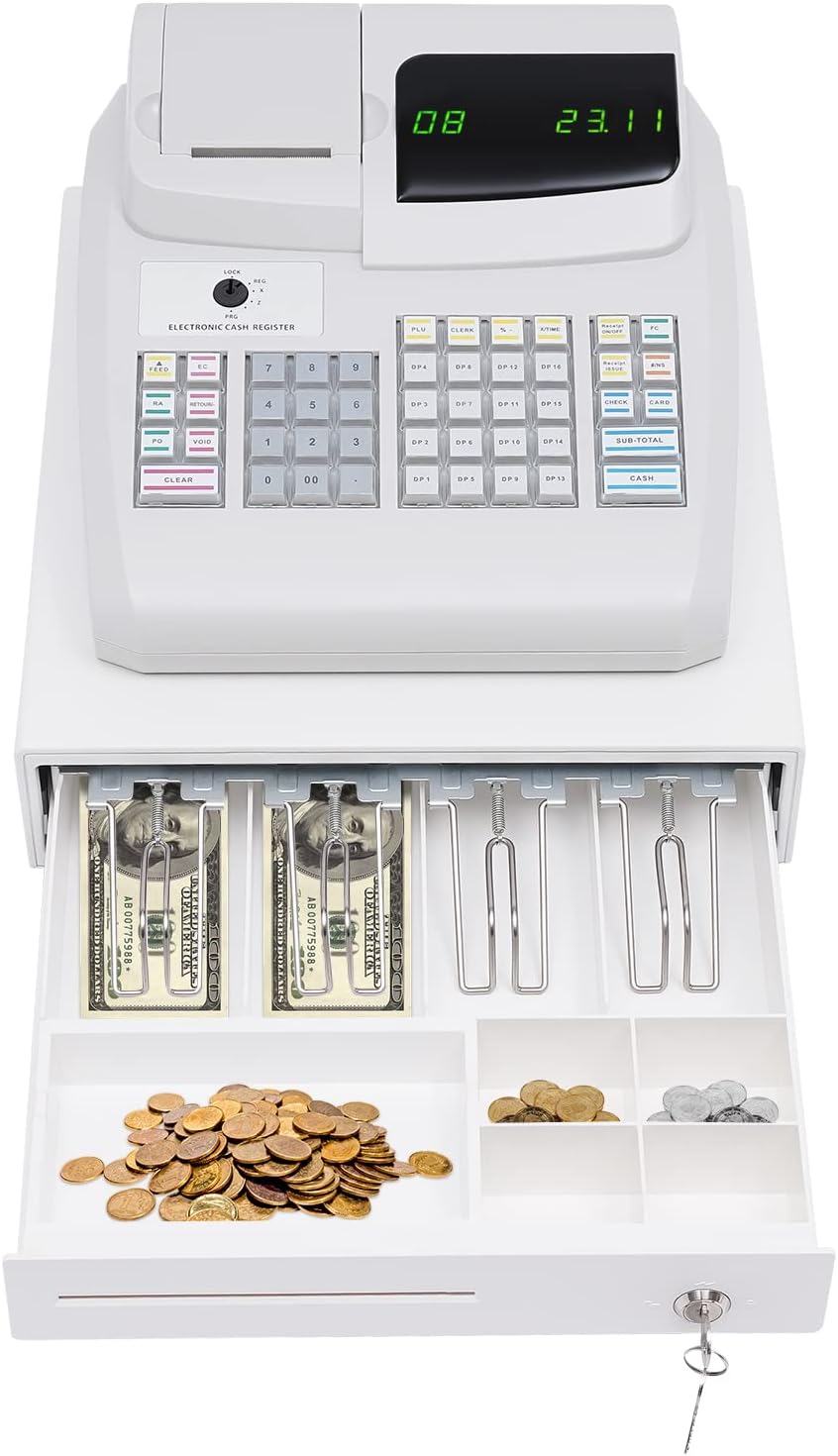
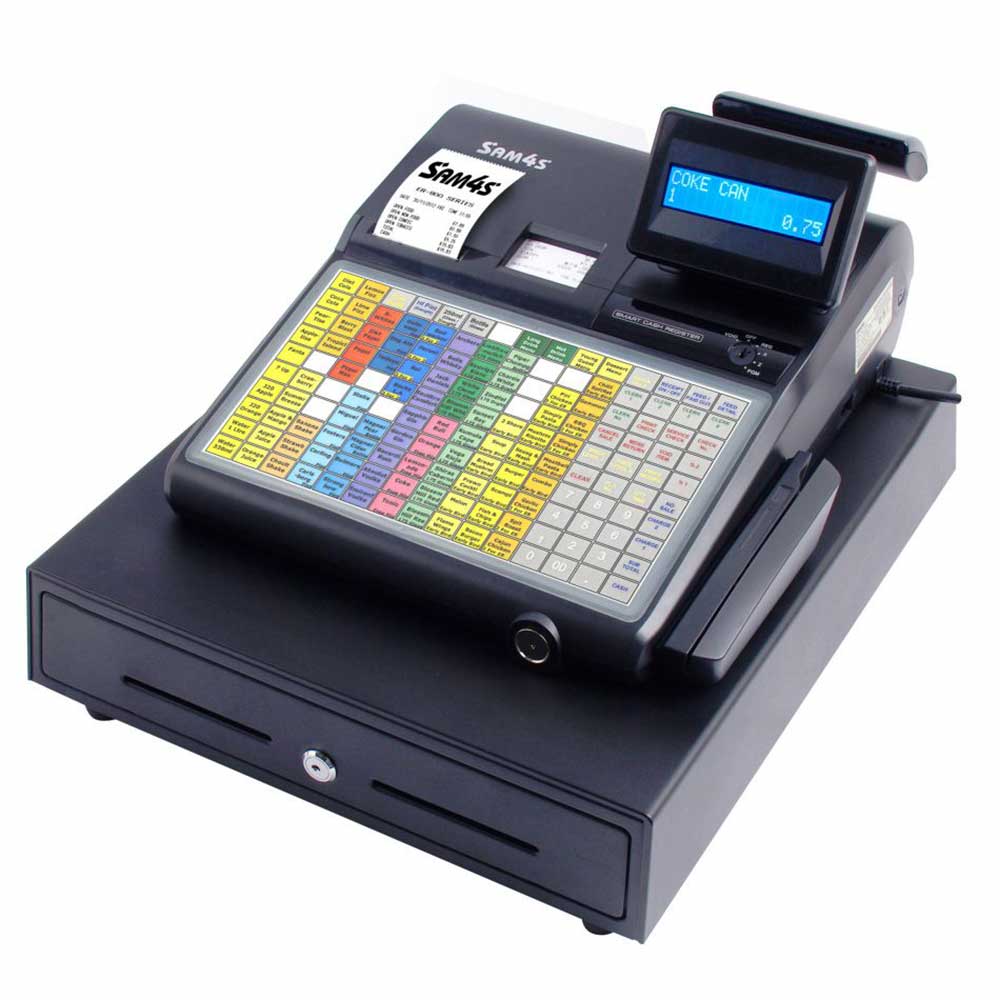
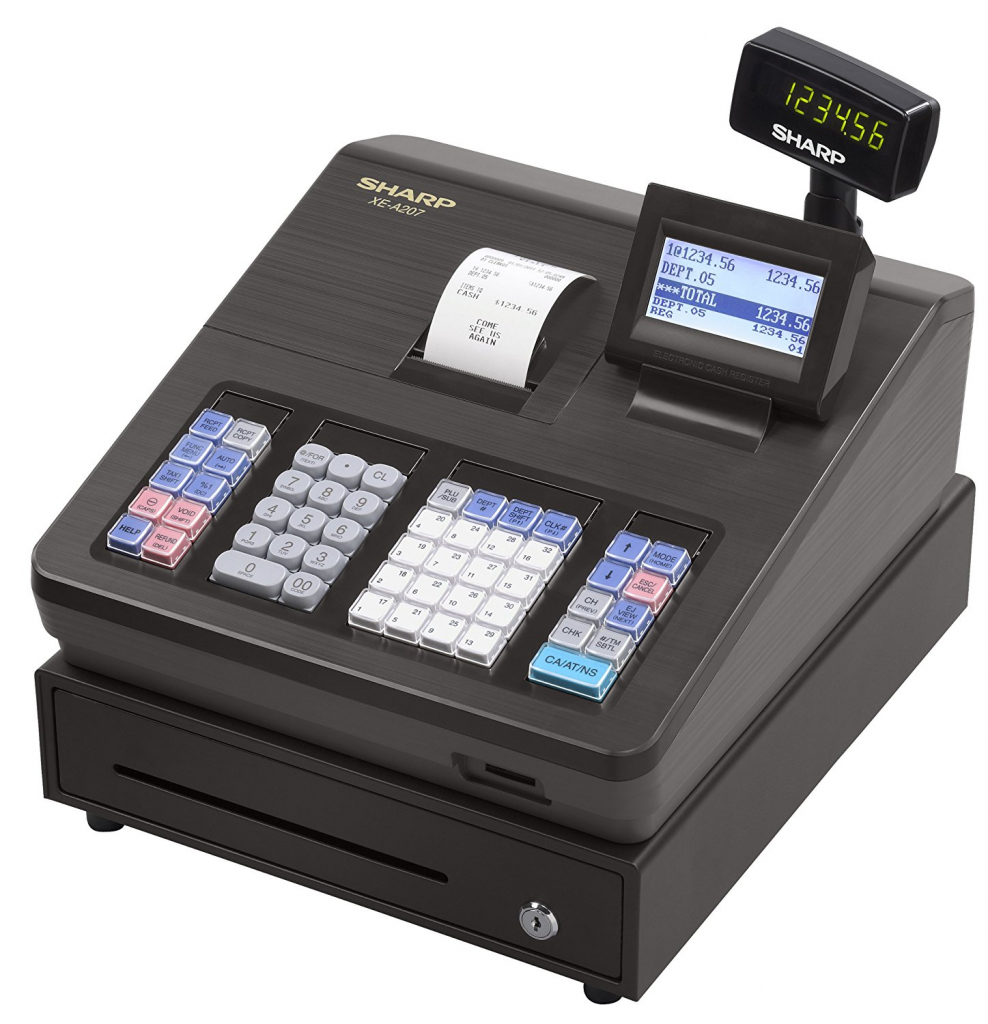
For small business owners, the clatter of an outdated cash register might soon be a relic of the past. A significant shift is underway, driven by technological advancements and changing consumer expectations. This transition is impacting how these businesses manage sales, inventory, and customer relationships.
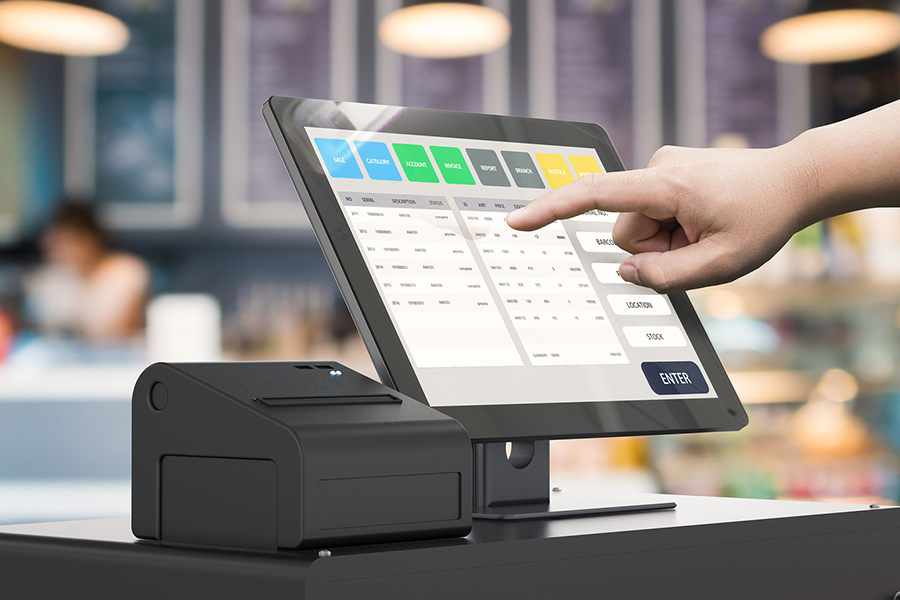
The increasing adoption of modern cash register systems, often referred to as Point of Sale (POS) systems, signals a move towards enhanced efficiency and data-driven decision-making.
The Rise of Modern POS Systems
At its core, the adoption of POS systems is not just about replacing old machines; it represents a fundamental change in how small businesses operate. POS systems streamline operations, providing capabilities far beyond simple transaction processing. They offer integrated solutions for inventory management, customer relationship management (CRM), and detailed sales analytics.
According to a report by MarketWatch, the global POS systems market is projected to reach \$37.54 billion by 2028, growing at a CAGR of 7.8% from 2021. This growth highlights the increasing recognition of the value and benefits of these systems.
Key Features and Benefits
Modern POS systems offer a range of features tailored to meet the specific needs of small businesses. Inventory tracking allows businesses to monitor stock levels in real-time, preventing stockouts and reducing waste.
CRM capabilities enable businesses to collect customer data, personalize interactions, and build loyalty programs. Sales analytics provide valuable insights into sales trends, helping businesses to make informed decisions about pricing, marketing, and product offerings.
Furthermore, many POS systems now integrate seamlessly with other business tools, such as accounting software and e-commerce platforms. This integration streamlines workflows and reduces the need for manual data entry.
The Challenges of Transition
Despite the benefits, transitioning to a new POS system can present challenges for small business owners. The initial cost of hardware and software can be a significant barrier, particularly for businesses with limited budgets. Training staff to use the new system can also be time-consuming and require additional resources.
Data security is another major concern. With sensitive customer information being stored electronically, it is essential to choose a POS system with robust security features to protect against data breaches.
"Data breaches can be devastating for small businesses, leading to financial losses and damage to their reputation," warns John Smith, a cybersecurity expert at CyberSafe Solutions.
Choosing the right POS system requires careful consideration of a business's specific needs and budget. There are numerous options available, ranging from simple, cloud-based systems to more complex, on-premise solutions. Sarah Lee, a small business consultant, advises businesses to "research different POS systems, read reviews, and talk to other business owners" before making a decision.
The Perspective of Small Business Owners
The experiences of small business owners with POS systems vary widely. Some have embraced the technology and seen significant improvements in their operations. Others have struggled with the transition or found that the system did not meet their expectations.
Maria Rodriguez, owner of a local bakery, says that her new POS system has saved her countless hours. "I used to spend hours each week manually tracking inventory and sales. Now, everything is automated, and I can focus on running my business," she explains.
However, David Chen, owner of a small retail store, had a less positive experience. "I spent a lot of money on a fancy POS system, but it was too complicated for my staff to use. In the end, I had to switch back to my old cash register," he recounts.
Looking Ahead
The future of cash register systems for small businesses is undoubtedly digital. As technology continues to evolve, POS systems will become even more sophisticated and integrated.
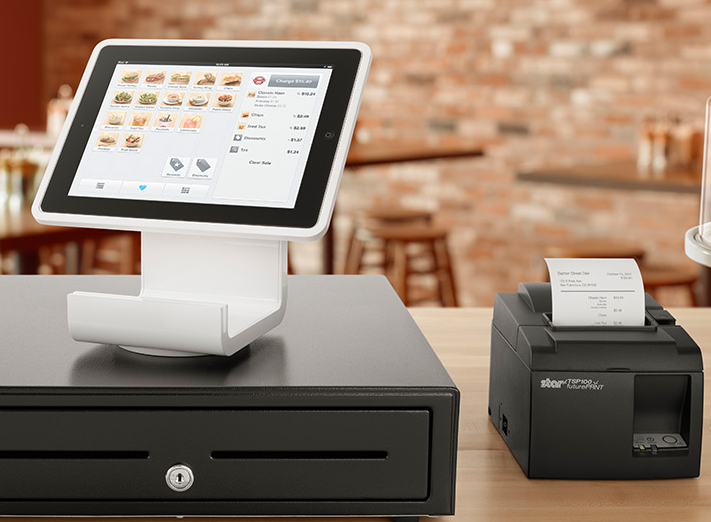
Cloud-based POS systems are likely to become increasingly popular, offering greater flexibility and affordability. Mobile POS systems, which allow businesses to accept payments anywhere, will also continue to gain traction. The integration of artificial intelligence (AI) and machine learning (ML) into POS systems could further enhance their capabilities, providing businesses with even more insights and automation.
Ultimately, the successful adoption of modern POS systems will depend on small business owners' willingness to embrace change and invest in the right technology. By carefully considering their needs and challenges, and by choosing a system that is user-friendly and secure, small businesses can unlock the full potential of POS technology and thrive in an increasingly competitive market.



![Cash Register System For Small Business The 15 Best Cash Registers for Small Business – [2024 Guide]](https://posquote.com/wp-content/uploads/2019/12/Royal-TS1200MW-630.jpg)