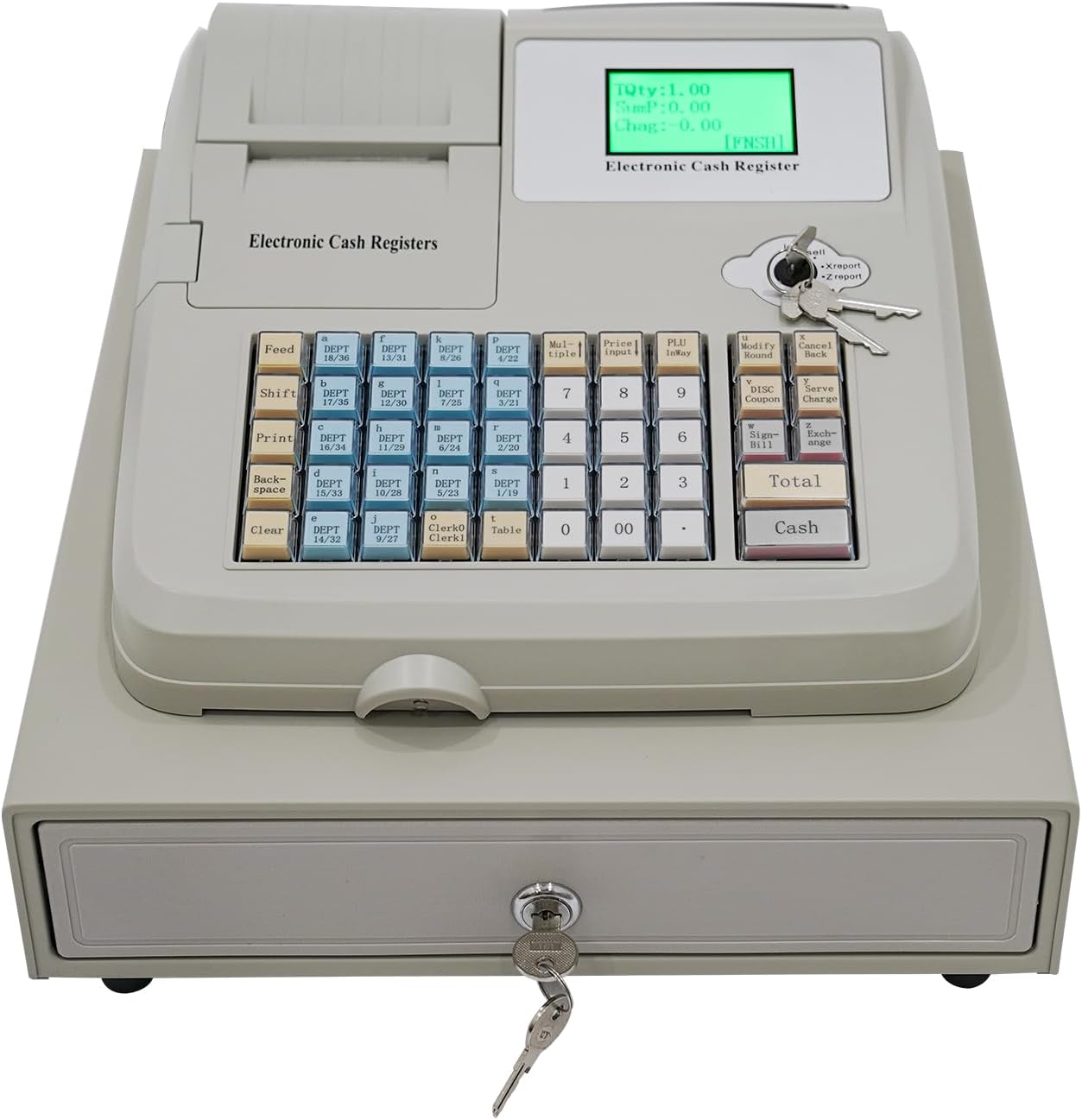
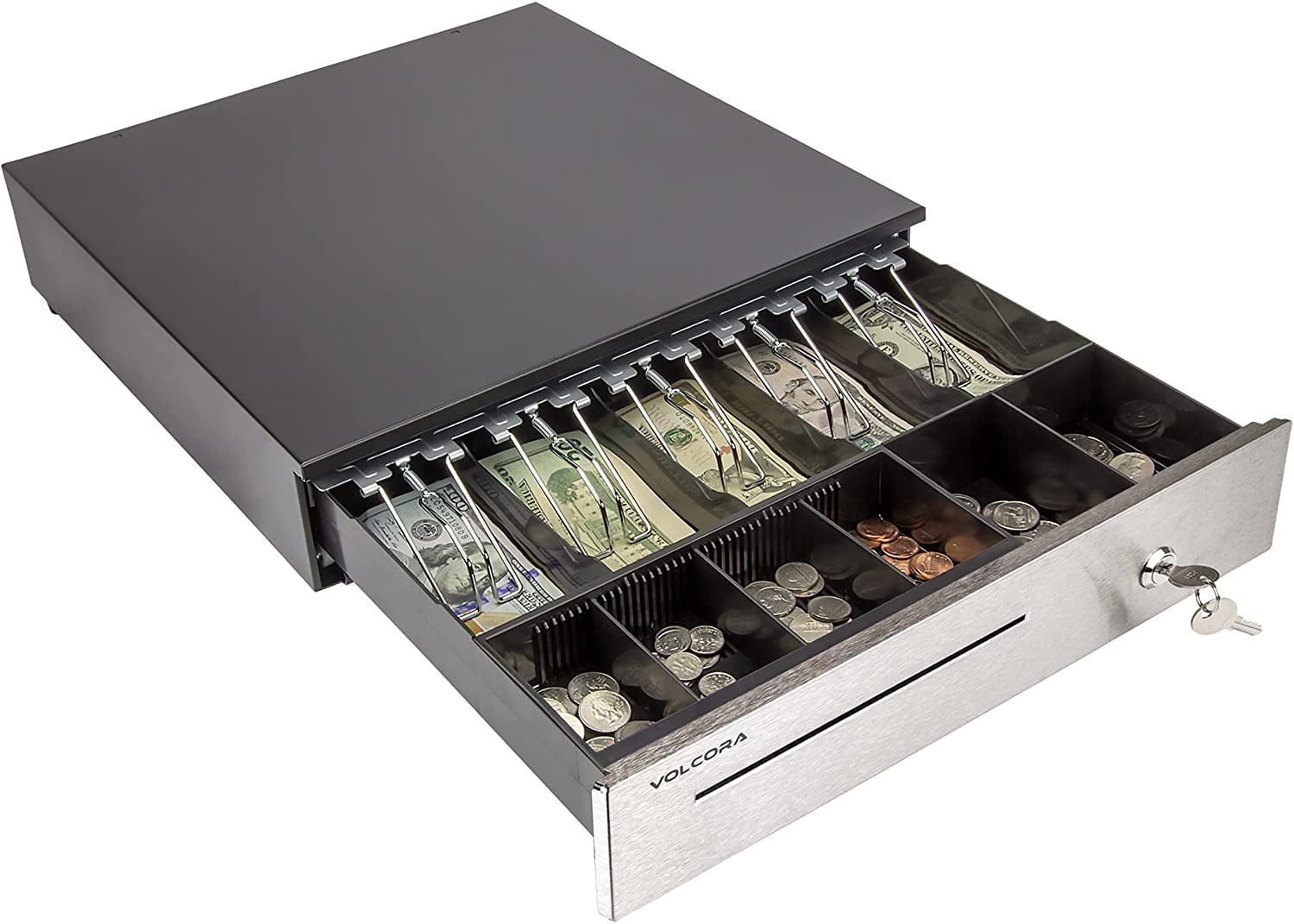
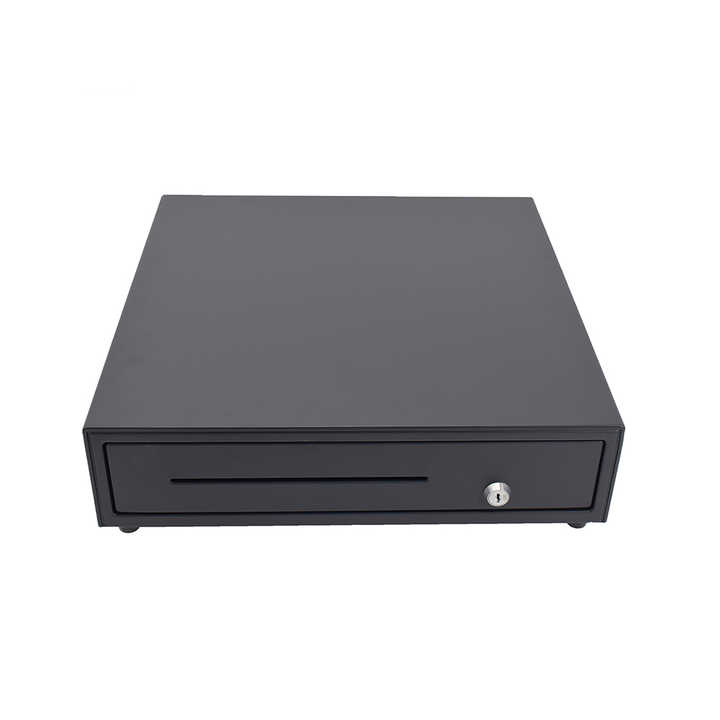
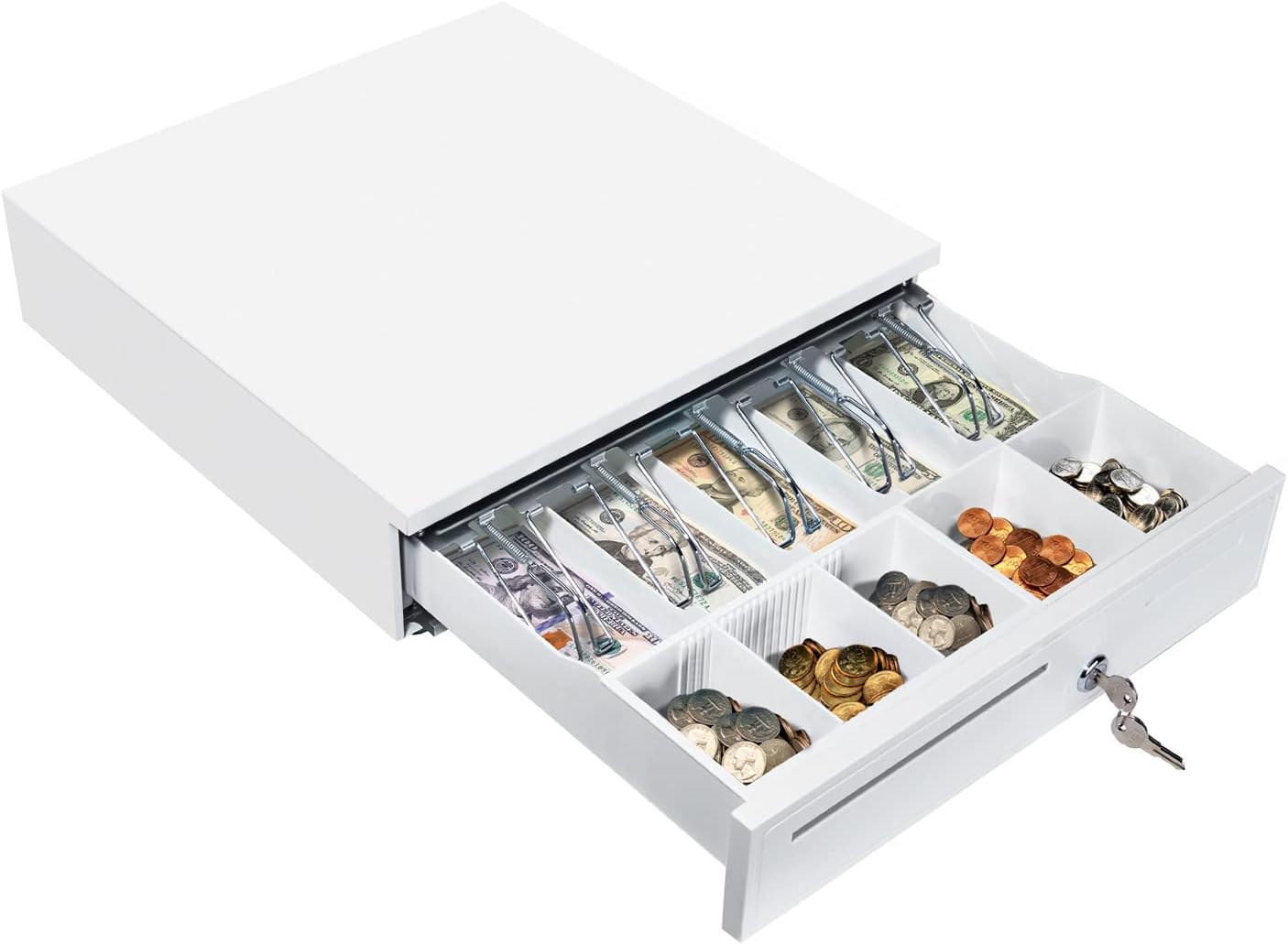
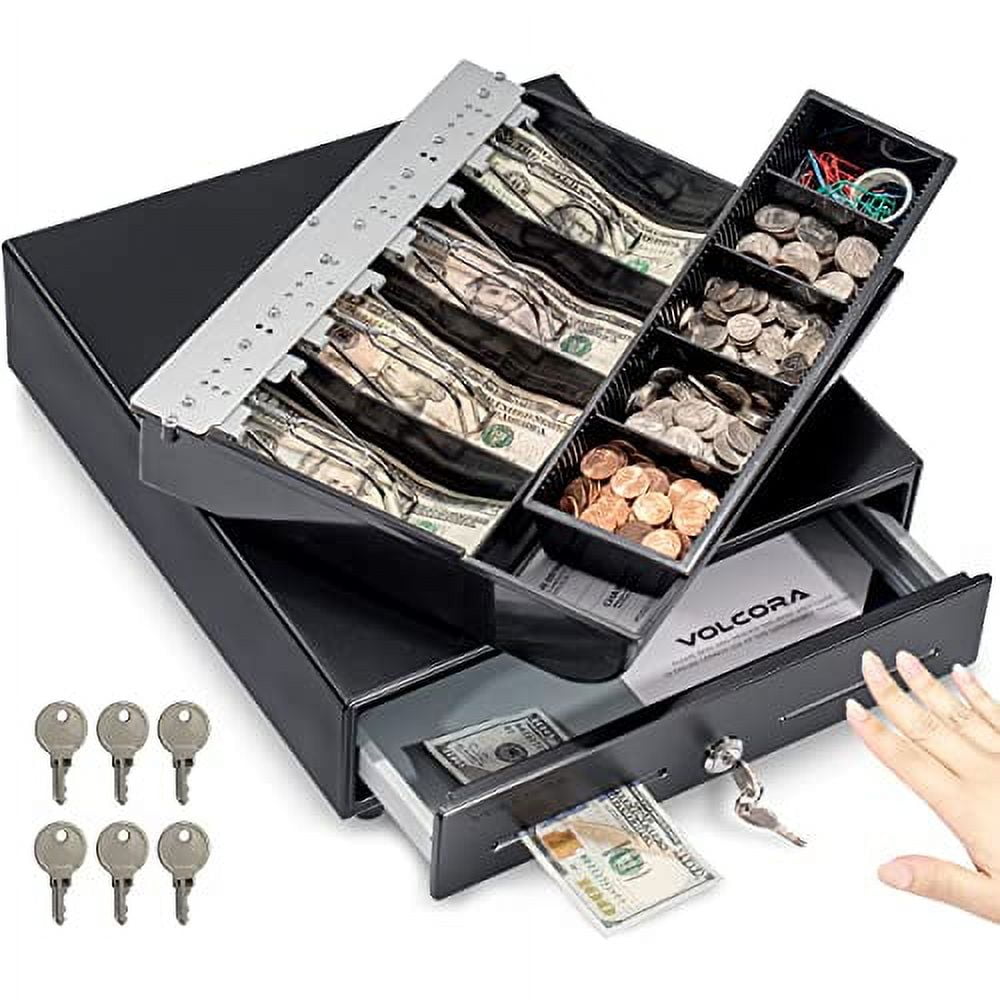
Cash Register With 5 Bill Slots

The aroma of freshly brewed coffee hung in the air, mingling with the sweet scent of artisanal pastries. Sunlight streamed through the large windows of "The Daily Grind," illuminating the warm, wooden interior. Behind the counter, owner and barista extraordinaire, Sarah, rang up a customer's order with a familiar *click-clack*. But this wasn't just any transaction; this was the maiden voyage of "Betsy," the cafe's brand new, five-bill-slot cash register.
Sarah's decision to upgrade to a cash register with five bill slots, while seemingly a minor detail, reflects a broader trend in small businesses striving for efficiency, accuracy, and enhanced customer service. Betsy represents more than just organized cash; she embodies a commitment to smooth operations and a deeper understanding of the nuances of handling money in a modern marketplace.
The Evolution of Cash Handling
For generations, the cash register has been a steadfast symbol of commerce. From its mechanical beginnings in the late 19th century to the computerized versions we see today, the device has evolved to meet the changing needs of businesses. James Ritty, a saloonkeeper from Dayton, Ohio, invented the first mechanical cash register to combat employee theft.
Early models were simple, designed primarily to record transactions. Over time, features like receipt printing, tax calculation, and inventory tracking were added. The evolution continues with innovations like cloud connectivity and integration with payment processing systems.
Why Five Bill Slots?
The standard cash register typically features four bill slots, one each for $1, $5, $10, and $20 bills. But why the fifth slot? According to a recent survey by the National Retail Federation, businesses are increasingly recognizing the need to accommodate $50 bills, especially in establishments that handle larger transactions.
Having a dedicated slot for $50 bills reduces the risk of miscounting and speeds up the checkout process. It also minimizes the time spent sorting through the cash drawer, allowing employees to focus on providing better customer service. "Before Betsy," Sarah explains, "the fifties were always a bit of a scramble. Now, it's seamless."
The extra slot can also be utilized for other denominations, such as holding a small stack of larger denomination bills to make change or organizing specific currencies in tourist-heavy areas. This flexibility ensures that the cash register can be customized to meet the unique needs of each business.
The Impact on Efficiency and Accuracy
The benefits of a five-bill-slot cash register extend beyond mere organization. Studies have shown that efficient cash handling can significantly reduce errors and streamline operations. A study by Accenture highlights that operational inefficiencies can cost businesses up to 20% of their revenue.
With a well-organized cash drawer, employees are less likely to make mistakes when counting money or giving change. This not only saves time but also reduces the risk of losses due to human error. Furthermore, faster transactions translate to shorter lines and happier customers.
“It’s amazing the difference it makes,” Sarah says. “We can process customers so much quicker now, especially during our busy morning rush. Less time counting money means more time making coffee and chatting with regulars.”
The Human Element
While technology plays a crucial role in modern commerce, the human element remains paramount. A five-bill-slot cash register empowers employees by providing them with the tools they need to perform their jobs efficiently and accurately. This, in turn, boosts employee morale and job satisfaction.
When employees feel confident in their ability to handle cash transactions, they are more likely to engage with customers in a positive and helpful manner. This leads to a better overall customer experience and fosters a sense of loyalty. Sarah notes that her employees appreciate the improved organization and reduced stress. "It's one less thing to worry about, and that allows them to focus on creating a welcoming atmosphere for our customers."
Beyond the Bottom Line
The adoption of a five-bill-slot cash register is not just about improving efficiency and accuracy; it's also about projecting a professional image. A well-organized cash drawer sends a message to customers that the business is well-managed and attentive to detail.
In today's competitive marketplace, every interaction with a customer is an opportunity to make a positive impression. By investing in tools that enhance the customer experience, businesses can differentiate themselves from the competition and build a loyal following. Sarah believes that "Betsy" contributes to the overall perception of "The Daily Grind" as a place that values quality and customer service. "It's a small detail, but it shows that we care about the details."
Furthermore, the ease of balancing the till at the end of the day provides significant peace of mind. Reduced errors mean less time spent reconciling discrepancies and more time focusing on the strategic aspects of running the business. This can be especially valuable for small business owners who often wear many hats.
The Future of Cash
Despite the rise of digital payment methods, cash remains a significant part of the economy. A recent report by the Federal Reserve found that cash is still used in approximately 26% of all transactions. While contactless payments and mobile wallets are gaining popularity, many consumers still prefer to use cash for certain purchases, especially in smaller establishments.
Therefore, businesses need to be prepared to handle cash efficiently and securely. Investing in tools like a five-bill-slot cash register is a practical way to ensure that they can meet the needs of their customers and maintain a smooth operation. As technology continues to evolve, the cash register will likely adapt to integrate seamlessly with new payment methods and data analytics tools.
The humble cash register, even with an extra slot, remains a vital component of the retail landscape, bridging the gap between traditional practices and modern innovations. Its enduring presence serves as a reminder that while technology may change, the fundamental principles of good business remain the same: efficiency, accuracy, and a commitment to customer satisfaction.
Looking Ahead
As Sarah closes up "The Daily Grind" for the evening, the soft glow of the streetlights illuminates Betsy’s keypad. The day’s transactions are tallied, the cash drawer is balanced, and a sense of quiet satisfaction settles over the cafe.
The decision to invest in a five-bill-slot cash register may seem like a small one, but it reflects a larger commitment to continuous improvement and a dedication to providing the best possible experience for both employees and customers. In the ever-evolving world of retail, it's the small details that often make the biggest difference. And for "The Daily Grind," Betsy is more than just a cash register; she's a symbol of progress, efficiency, and a warm cup of coffee served with a smile.