Expedia System Design Interview Questions

Aspiring software engineers targeting positions at Expedia Group often find themselves preparing for the rigorous System Design Interview, a crucial component of the company's hiring process. These interviews assess a candidate's ability to architect scalable and robust systems, a vital skill for building and maintaining the complex infrastructure that powers the travel giant's online platforms.
The System Design Interview at Expedia isn't merely about recalling textbook definitions; it's about demonstrating a practical understanding of design principles, trade-offs, and the ability to communicate solutions effectively. Candidates are presented with open-ended scenarios mimicking real-world challenges faced by Expedia's engineering teams.
Key Areas of Focus
Interviews typically cover several key areas. These include: Scalability and Performance, Data Modeling and Storage, Concurrency and Distributed Systems, and API Design.
Understanding these domains is critical for success. Candidates should be able to discuss different approaches and their implications.
Example Questions
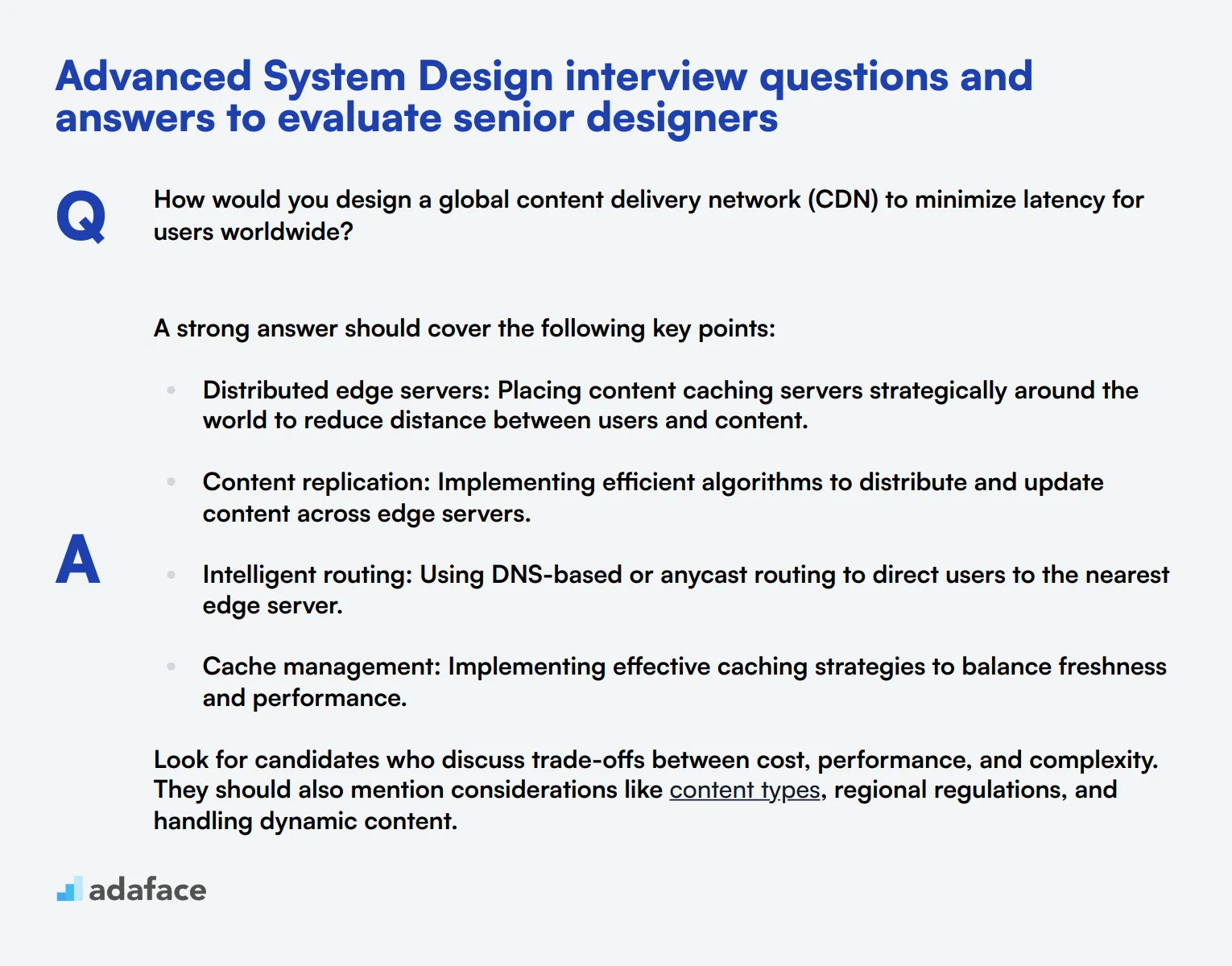
While the exact questions vary, some common themes emerge. One example might be designing a system for handling flight search requests, considering factors like data volume, response time, and fault tolerance.
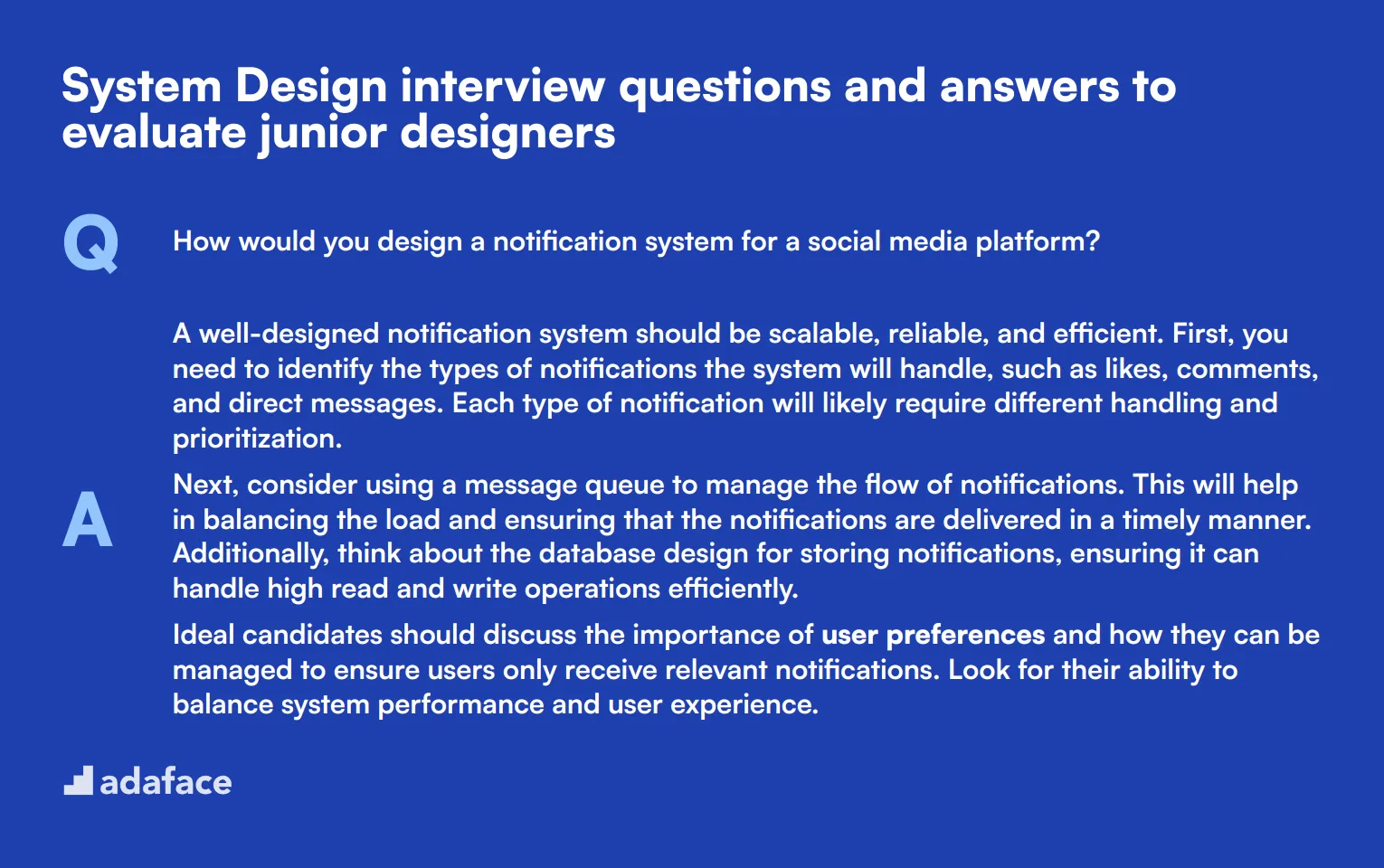
Another question might involve designing a system for managing hotel booking inventory, addressing concurrency issues and ensuring data consistency. Designing a recommendation system for travel packages is yet another possibility.
"The goal is to assess how candidates think about complex problems and how they can translate business requirements into technical solutions," said a former Expedia engineer familiar with the interview process.
Preparation Strategies
Effective preparation involves more than just theoretical knowledge. Practicing with realistic scenarios and mock interviews is highly recommended.
Candidates should also familiarize themselves with Expedia's technology stack, understanding the tools and technologies the company uses. This demonstrates genuine interest and a proactive approach.
Studying case studies of large-scale systems, like those used by other major tech companies, can provide valuable insights. It is also important to deeply understand the trade-offs between different design choices.
Impact on Candidates and the Industry
Mastering system design principles is not only beneficial for landing a job at Expedia. It is a valuable skill applicable across the software engineering industry.
The demand for engineers proficient in system design is growing. Companies across various sectors are relying on scalable and robust systems to support their operations.
The focus on system design interviews reflects a broader trend in the tech industry. Companies are prioritizing candidates who can think critically and architect solutions that meet the challenges of modern, large-scale applications.
Beyond Technical Skills
While technical proficiency is essential, communication skills are equally important. Candidates must be able to articulate their design choices clearly and concisely.
They should also be prepared to justify their decisions and discuss potential trade-offs. Effective communication demonstrates an understanding of the bigger picture.
Finally, adaptability and a willingness to learn are highly valued. The technology landscape is constantly evolving, and engineers must be able to adapt to new tools and techniques.
The Expedia System Design Interview presents a significant challenge, but it also provides an opportunity for engineers to showcase their skills and expertise. Thorough preparation and a strong understanding of system design principles are crucial for success, not only at Expedia, but across the tech industry.






![Expedia System Design Interview Questions System Design Interview Questions and Answers [2025] - GeeksforGeeks](https://media.geeksforgeeks.org/wp-content/uploads/20241017131213301548/Top-10-System-Design-Interview-Questions-and-Answers_optimized_100-1024.jpg)