How To Inform Your Boss You're Resigning
The scent of freshly brewed coffee mingled with a palpable tension in the air. Sunlight streamed through the office windows, illuminating dust motes dancing in the quiet before the workday truly began. You clutch a carefully worded letter, your heart a drum against your ribs. It’s time for a difficult, but necessary, conversation.
Navigating the delicate dance of informing your boss you’re resigning requires tact, professionalism, and a genuine effort to leave on good terms. It's not just about ending a chapter, but ensuring the next one begins smoothly, both for you and your employer.
Timing is Everything
The moment you choose to deliver the news can significantly impact the overall experience. Aim for a time when your boss is likely to be relatively free from immediate pressures. Avoid Mondays or right before major deadlines, if possible.
A mid-week morning or afternoon might offer a calmer atmosphere. Consider your boss’s temperament and typical schedule to pinpoint the most opportune time.
A face-to-face conversation is almost always preferred, demonstrating respect and allowing for open dialogue. Request a private meeting beforehand, signaling the importance of the discussion.
Crafting Your Message
Your resignation letter serves as a formal record of your decision, but the conversation is where you can add nuance and express your gratitude. Keep your explanation concise and professional, focusing on the positive aspects of your experience.
Avoid dwelling on negative experiences or criticizing the company. Instead, frame your departure in terms of pursuing new opportunities or achieving personal goals. Be prepared to answer questions about your reasons for leaving, but keep your answers brief and diplomatic.
Expressing gratitude for the opportunities you've been given is crucial. A simple "I've truly valued my time here and appreciate the experiences I've gained" can go a long way. Offer your assistance in the transition period, demonstrating your commitment to a smooth handover.
The Importance of a Well-Written Resignation Letter
According to a study by SHRM (Society for Human Resource Management), a clear and professional resignation letter is a critical component of a positive departure.
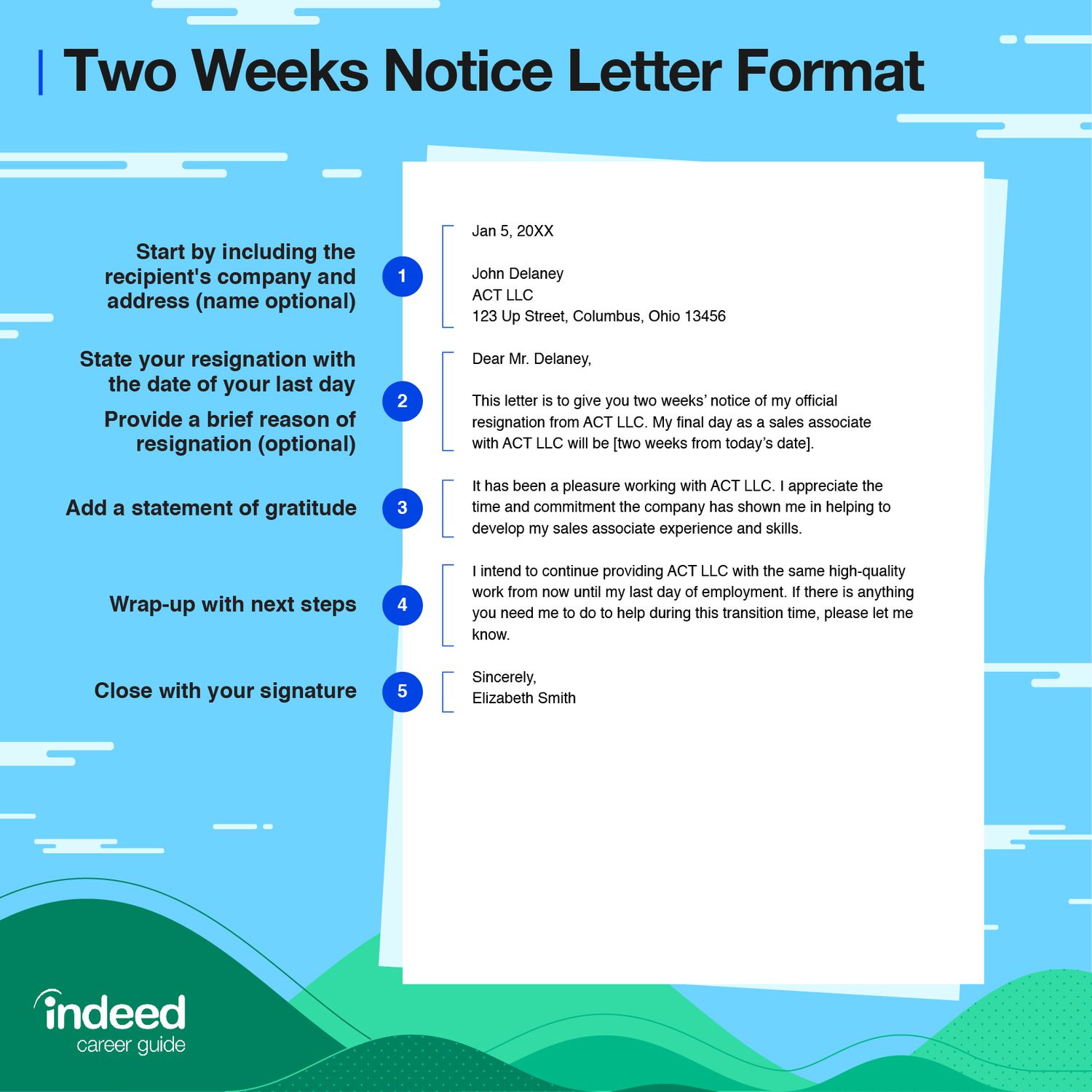
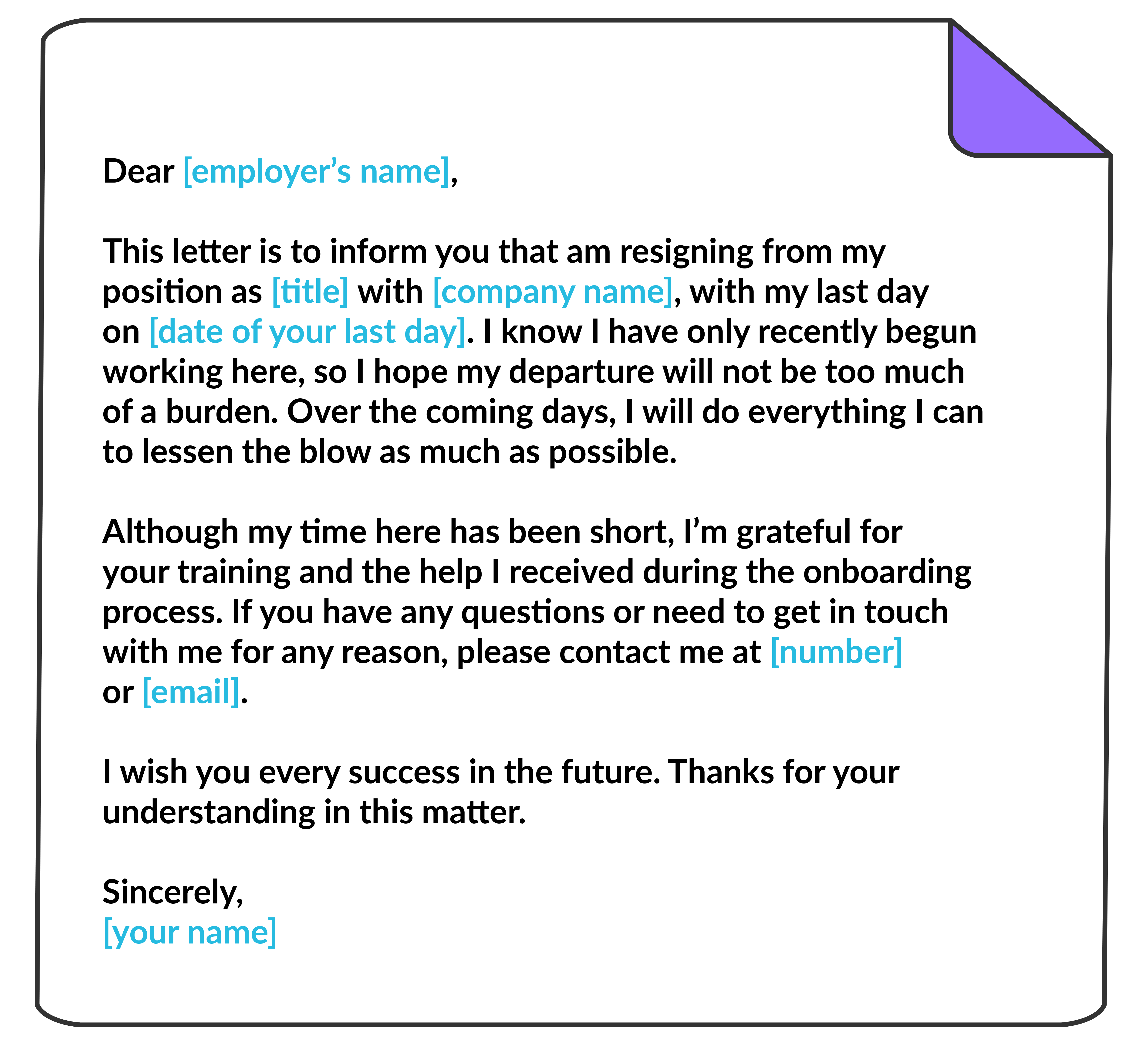
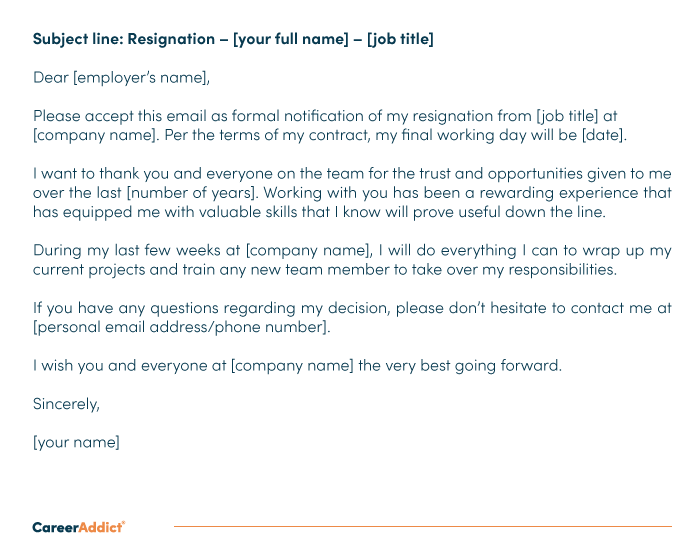
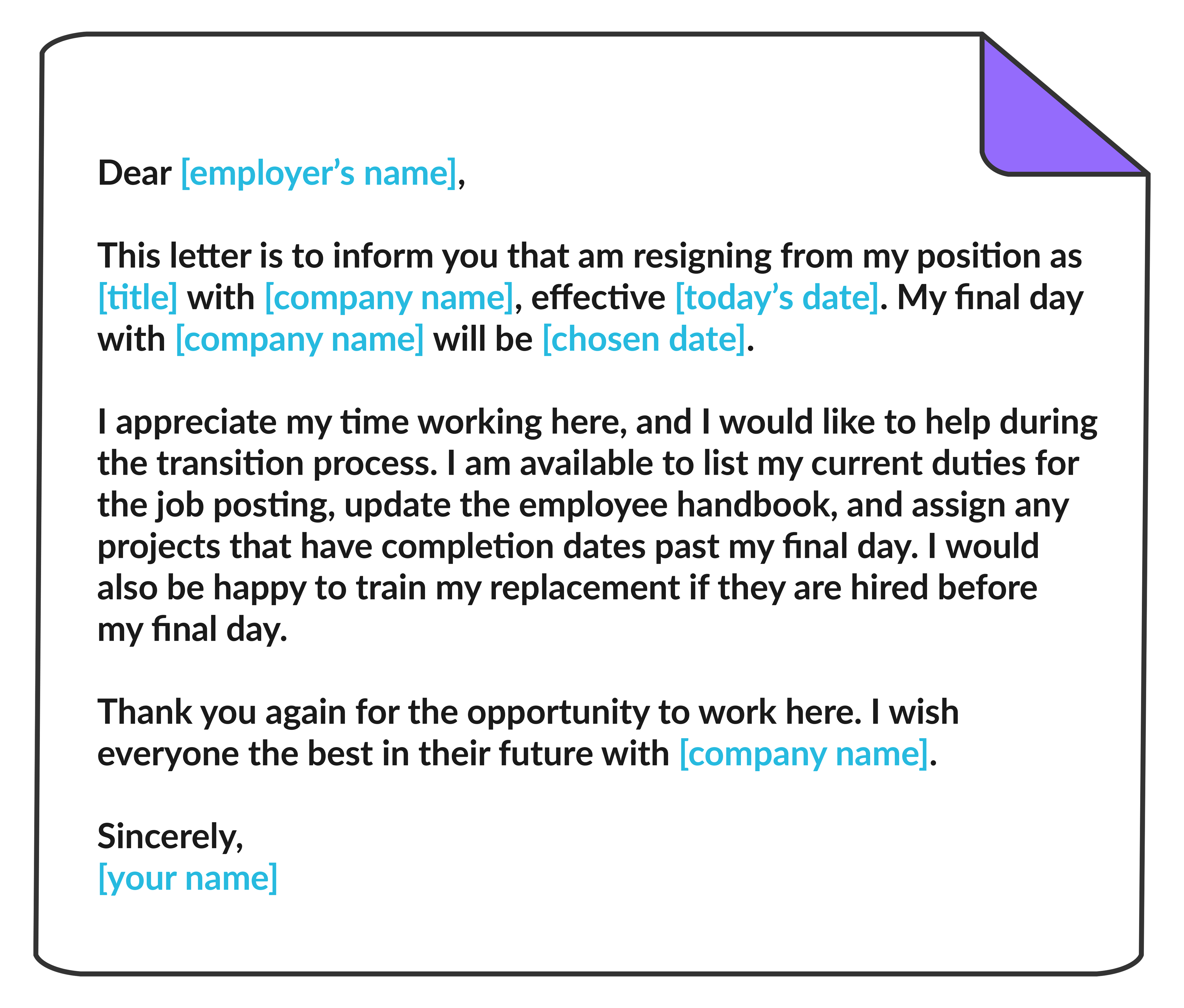
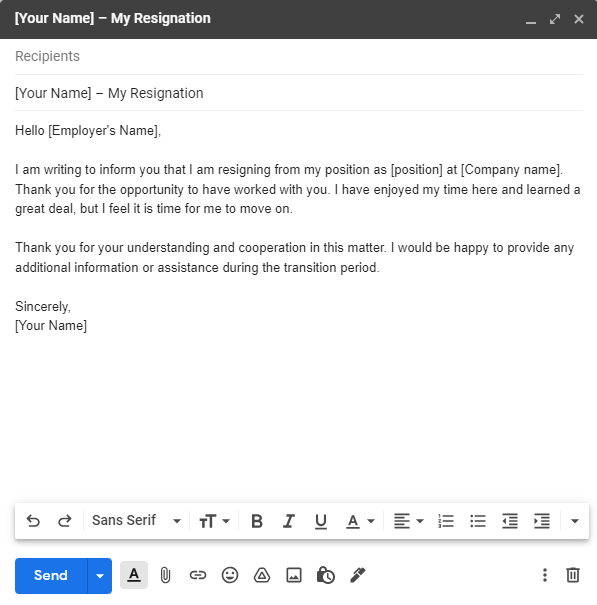
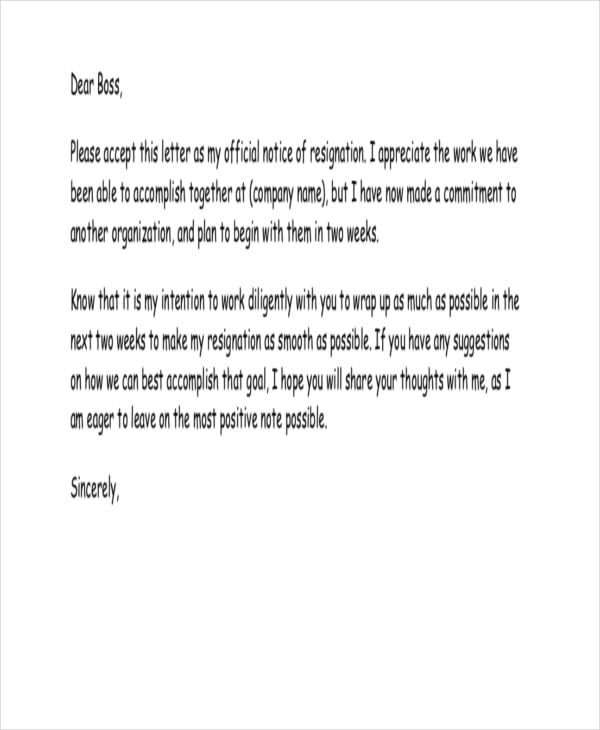
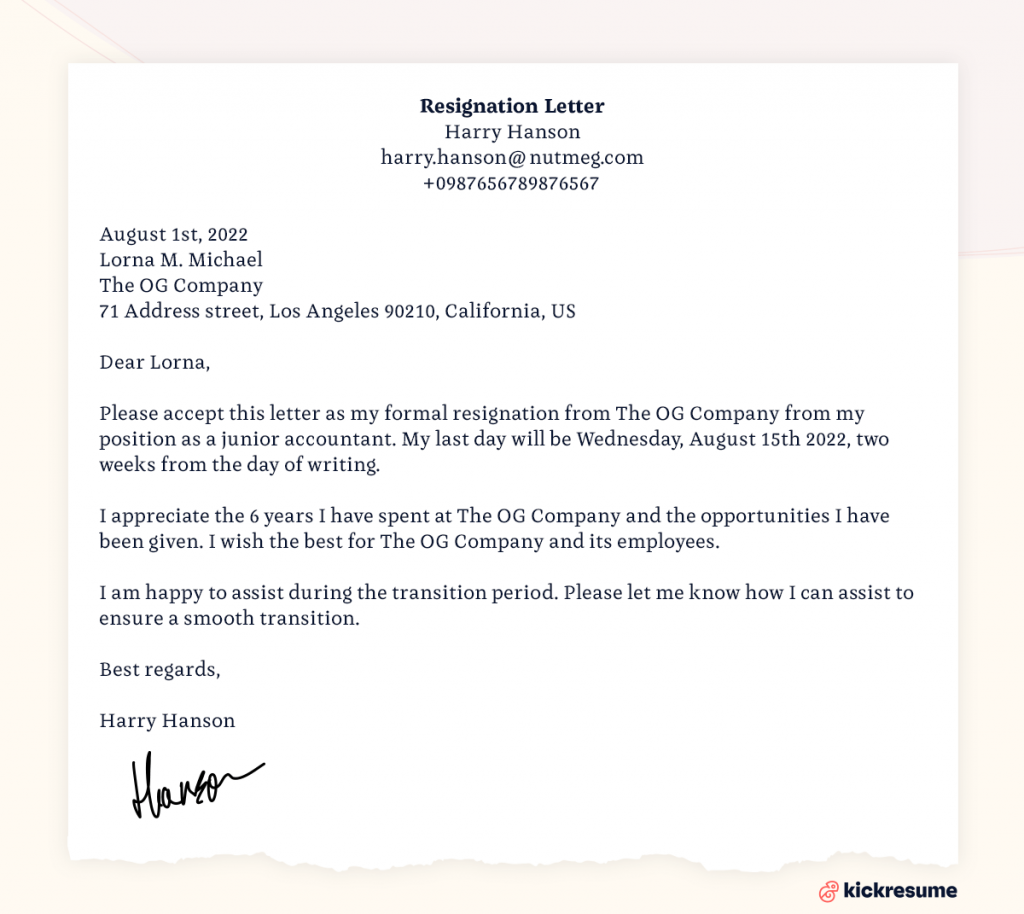
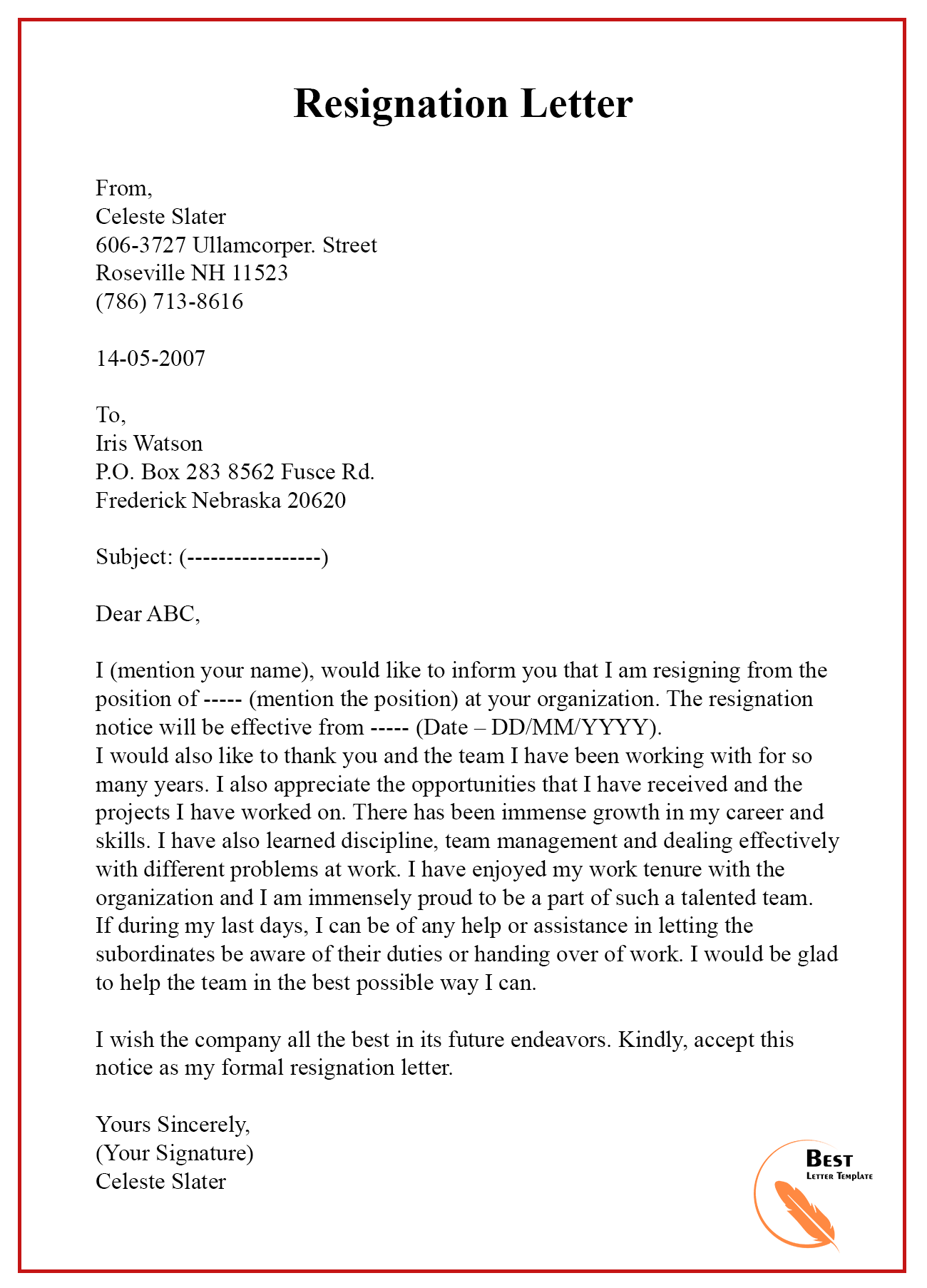
This letter should include your last day of employment, a statement of resignation, and an expression of gratitude. It’s essential to maintain a professional tone, even if you're leaving due to dissatisfaction.
Keep it concise and avoid emotional language. Proofread carefully to ensure there are no grammatical errors or typos. This letter becomes part of your permanent employment record.
Navigating the Conversation
During the conversation, maintain a calm and respectful demeanor. Be prepared for your boss’s reaction, which could range from understanding to disappointment. Listen attentively and respond thoughtfully to their questions.
Avoid getting drawn into arguments or negativity. Focus on maintaining a professional and positive tone throughout the discussion. Remember that your goal is to leave on good terms, preserving your professional reputation and network.
Offer to assist with training your replacement or documenting your processes. This demonstrates your commitment to ensuring a smooth transition for the team and the company.
The Aftermath and Beyond
After informing your boss, communicate your departure to your colleagues in a professional and timely manner. Follow your company's policy on informing clients or external stakeholders.
Update your LinkedIn profile and begin networking to explore new opportunities. Remember to maintain relationships with your former colleagues; they can be valuable contacts in the future.
Leaving a job is a significant life event. By handling your resignation with grace and professionalism, you can ensure a positive transition and set yourself up for success in your next endeavor. It is always recommended to give at least two weeks' notice, as this is a standard practice in many industries.
As you prepare to embark on this new chapter, remember that your final act at your current job speaks volumes about your character and professionalism. Approach it with thoughtfulness, empathy, and a commitment to leaving a positive lasting impression.