How To Tell Your Boss You Re Resigning

Resigning from a job is a critical career moment demanding careful execution. Here's a guide on how to navigate this transition smoothly and professionally, minimizing stress and maintaining positive relationships.
Crafting Your Resignation Letter: The First Step
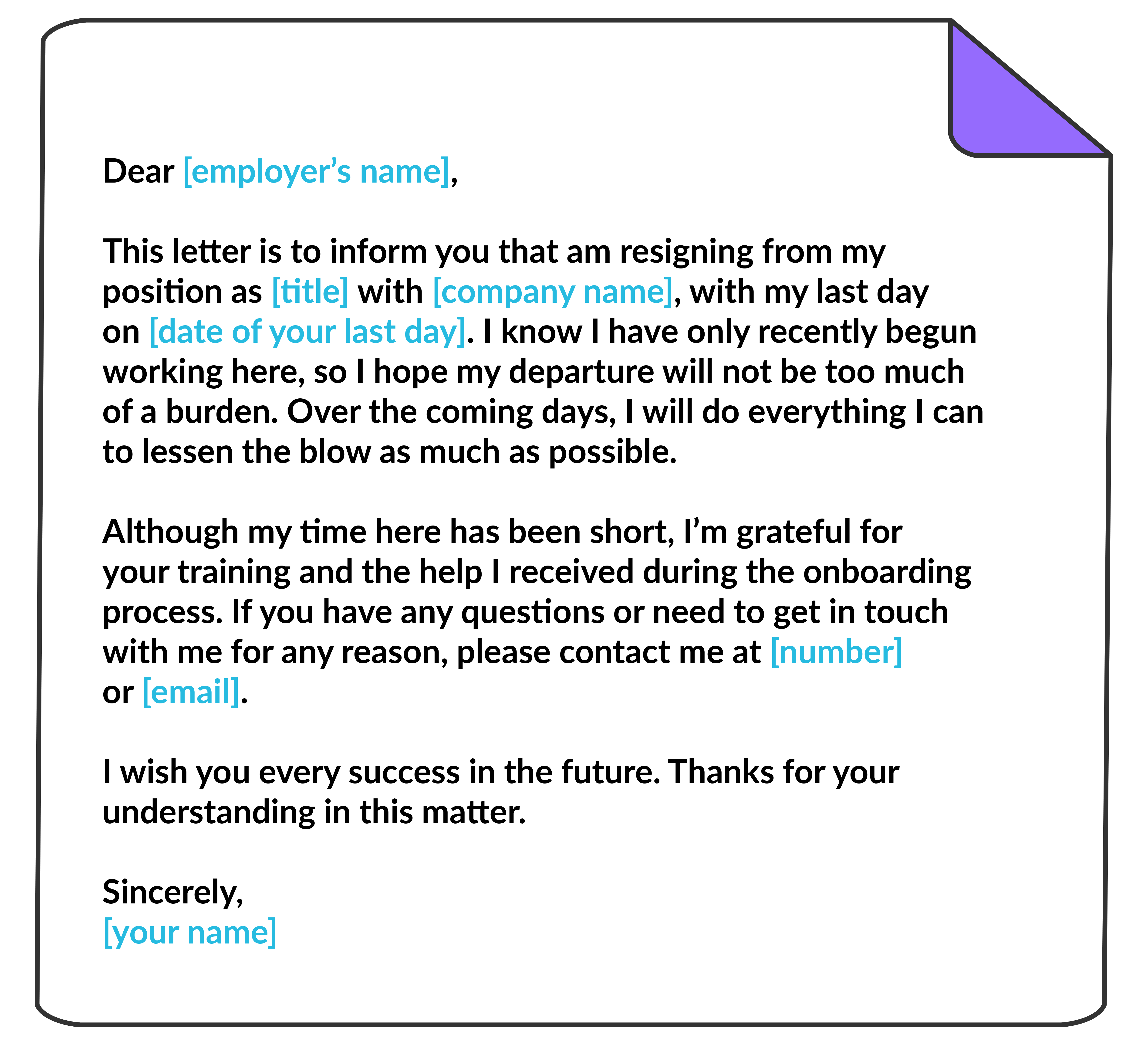
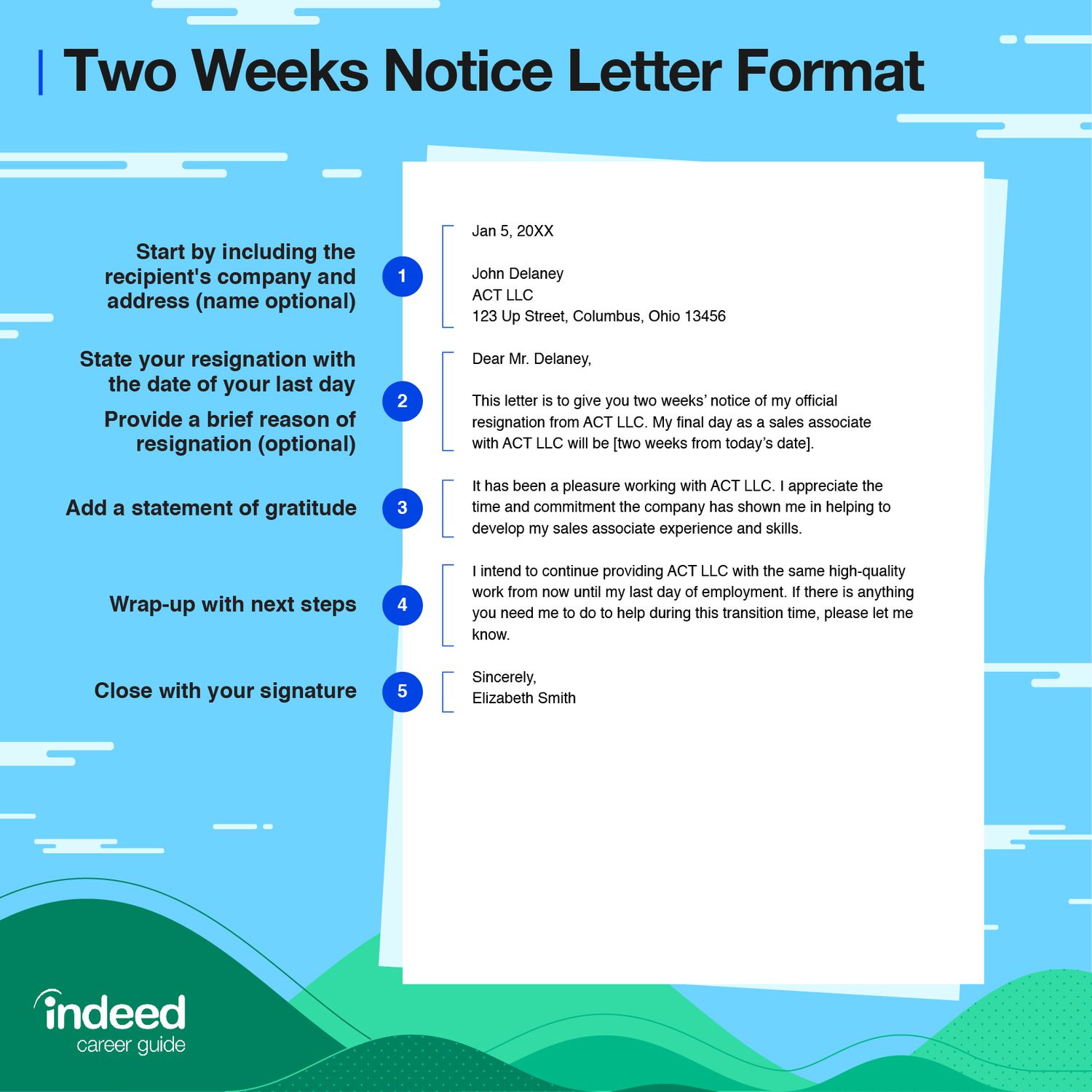
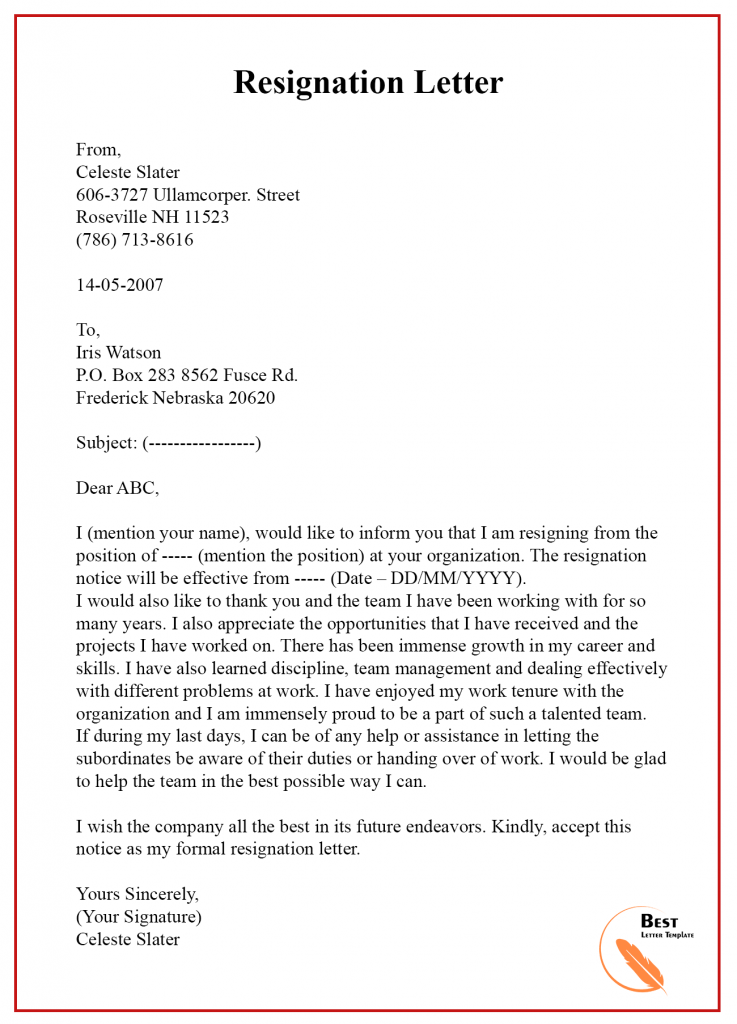
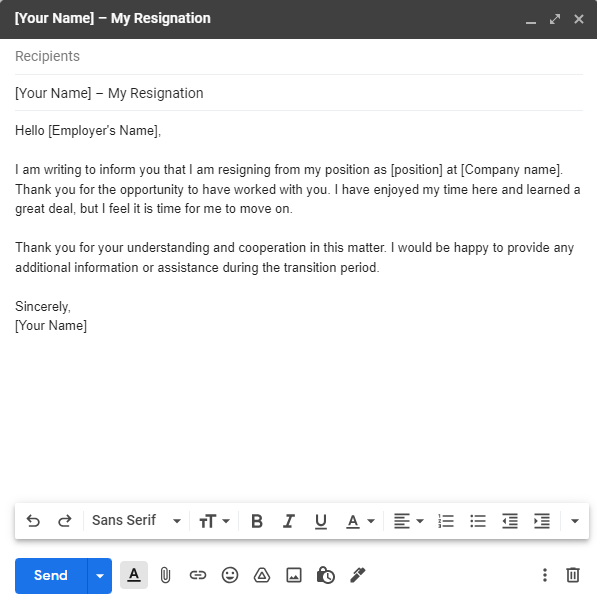
The resignation letter serves as your official notice. It's a formal document, so keep it concise, professional, and to the point.
State your intention to resign clearly, along with your last day of employment. Avoid negativity and focus on gratitude for the opportunities provided.
Key Elements of the Resignation Letter
Include your name, the date, and your boss's name. Clearly state your position and your last day of employment. Express gratitude for the opportunity.
Timing Is Everything: When to Deliver the News
Timing plays a crucial role in how your resignation is received. Schedule a meeting with your boss to deliver the news in person before sending the formal letter.
Avoid doing it right before a major deadline or during a particularly stressful time for your team. Aim for a mid-week morning for a more relaxed atmosphere.
The In-Person Conversation: Delivering the News
Face-to-face communication shows respect and allows for open dialogue. Prepare what you want to say beforehand, but be flexible and ready to answer questions.
Be direct, confident, and professional. State your decision clearly and briefly explain your reasons, without getting into unnecessary details or negativity.
Maintaining Professionalism: What to Say and Avoid
Always maintain a positive and respectful tone. Express gratitude for the opportunities and experiences you gained.
Avoid burning bridges by criticizing the company or your colleagues. Instead, focus on your personal growth and future aspirations.
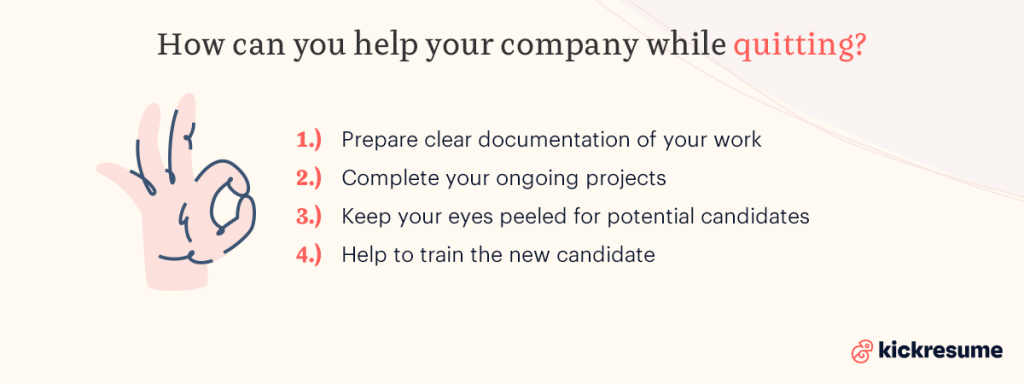
Offer to assist with the transition, such as training your replacement or documenting your processes.
Handling the Aftermath: Questions and Expectations
Be prepared for questions about your reasons for leaving and your future plans. Answer honestly but professionally, avoiding overly specific or negative details.
Discuss the logistics of your departure, such as your last day, outstanding tasks, and handover procedures. Follow up with a formal written resignation letter.
Navigating Counteroffers: Should You Stay or Should You Go?
A counteroffer may be presented, but carefully consider whether it addresses the underlying reasons for your departure. Don't accept it solely based on money; evaluate long-term career goals.
If you decline, reiterate your appreciation and commitment to a smooth transition. If you accept, set clear expectations and ensure the promised changes are implemented.
The Final Weeks: Ensuring a Smooth Transition
Remain engaged and productive during your remaining time. Complete outstanding tasks and document your processes for your replacement.
Train your replacement effectively and be available for questions. Leave on a positive note, maintaining professional relationships for future networking.
Data on Resignation Trends
According to a recent study by the Bureau of Labor Statistics, the "quit rate" (the percentage of workers who quit their jobs) remains elevated, suggesting a continued trend of employees seeking new opportunities.
Gallup's 2023 "State of the Global Workplace" report found that 51% of employees are actively looking for a new job. This underscores the importance of companies focusing on employee retention strategies.
Next Steps: Preparing for Your Future
Focus on your next opportunity and leverage your network. Maintain connections with former colleagues and seek out new opportunities for professional growth. Always strive to leave on good terms, as your reputation is invaluable.







:max_bytes(150000):strip_icc()/2060865a-a00dd037c25547df8a83c13bb57cd695.jpg)