
How To Tell Your Boss You're Resigning

Navigating the delicate dance of resigning from a job is a pivotal moment in any career. The act, seemingly simple, carries significant weight and requires thoughtful execution. How you communicate your departure can impact your professional reputation, future opportunities, and the relationships you've cultivated within your current organization.
This article provides a roadmap on how to professionally inform your manager that you are leaving. It outlines the crucial steps involved in crafting a resignation, from preparing the necessary documents to engaging in a constructive conversation, all aimed at ensuring a smooth transition for both you and your employer.
Preparing for the Conversation
Before uttering a single word to your manager, strategic preparation is key. Begin by solidifying your decision, ensuring it's not a spur-of-the-moment reaction but a well-considered choice. Confirm your new employment details, including your start date, to accurately determine your last day at your current job.
Next, carefully review your employment contract or employee handbook. Understand your obligations regarding notice periods, outstanding projects, and any potential non-compete agreements. Being informed mitigates the risk of future complications.
Crafting a Resignation Letter
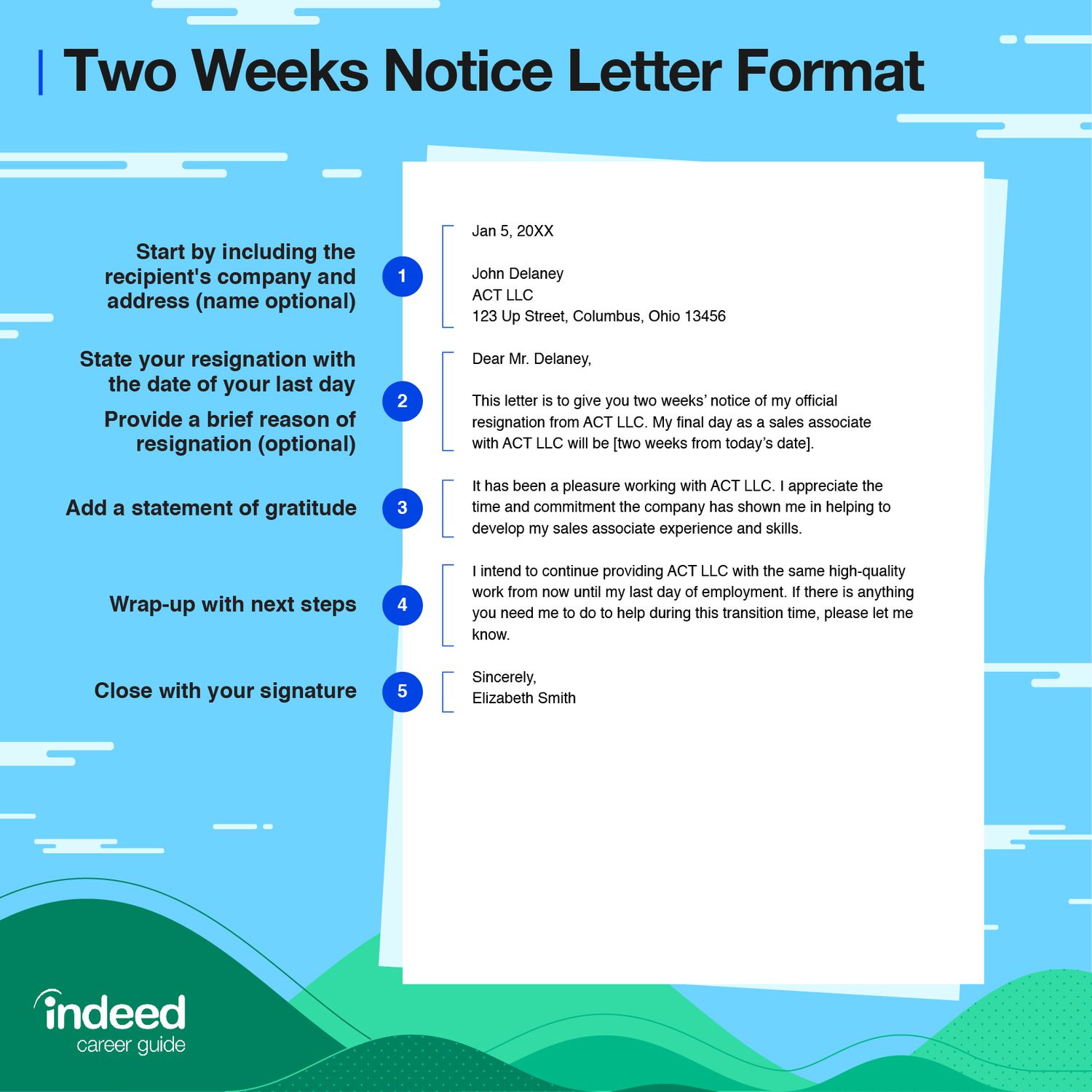
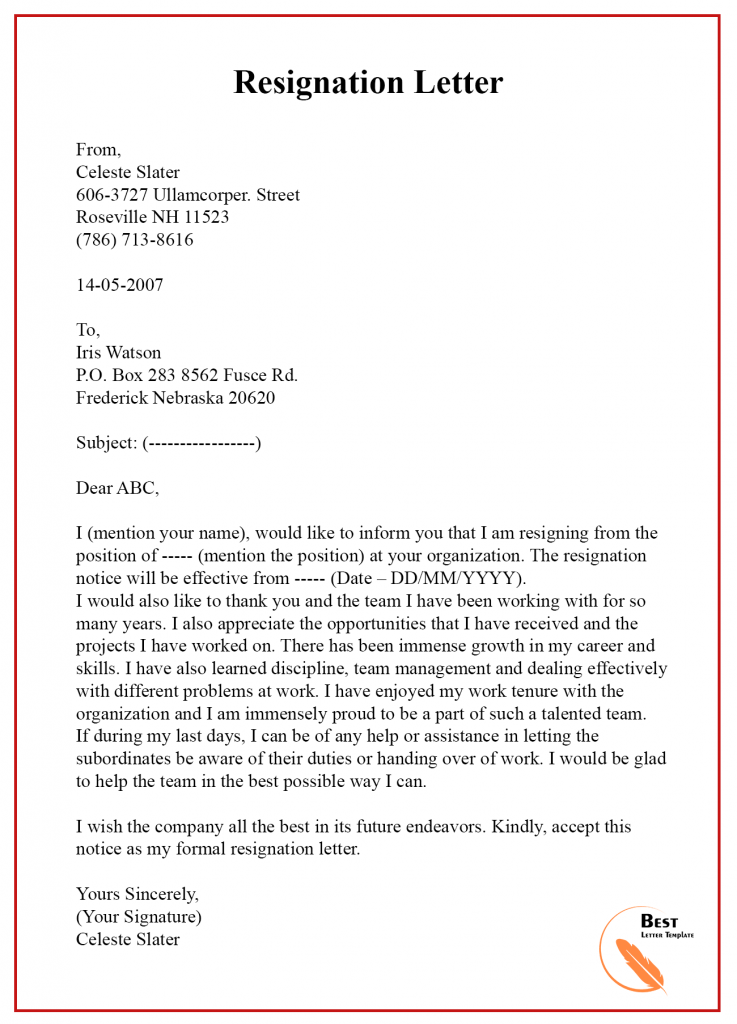
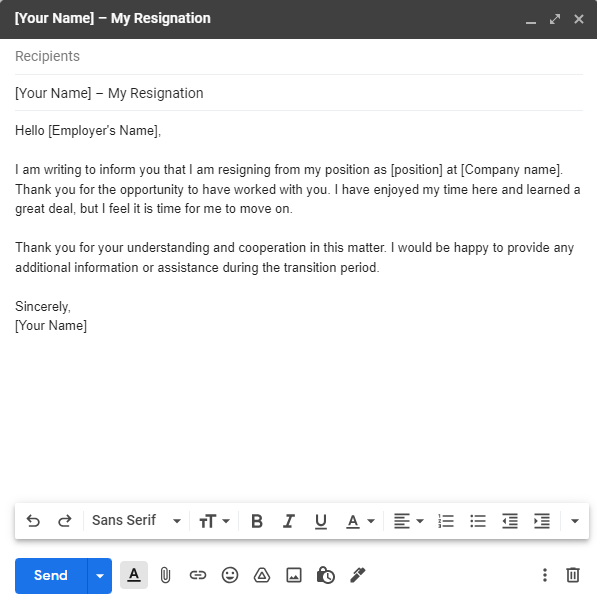
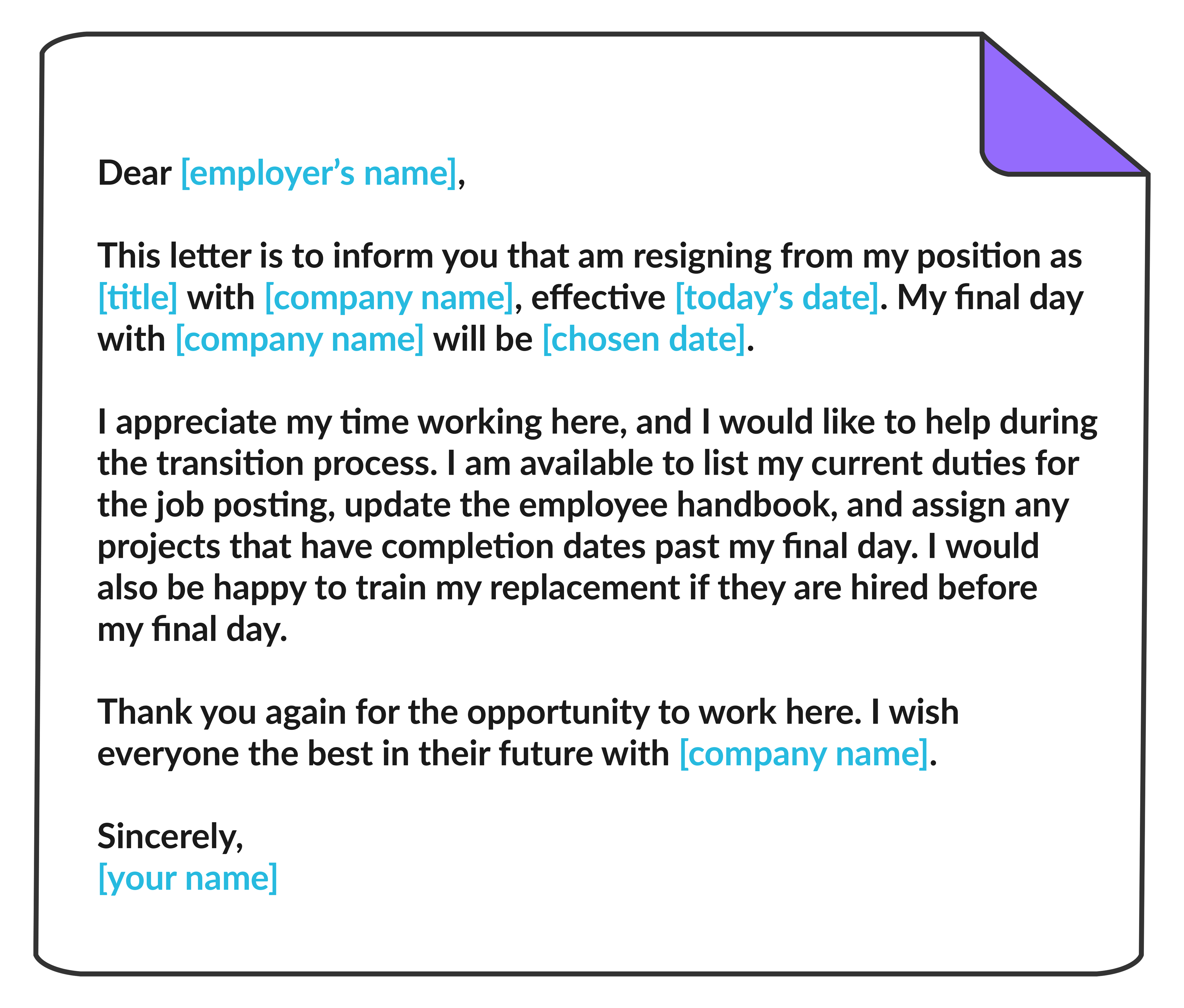
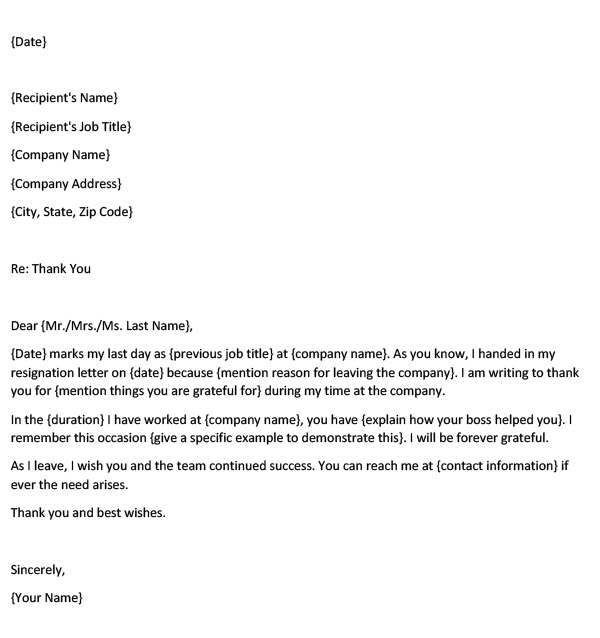
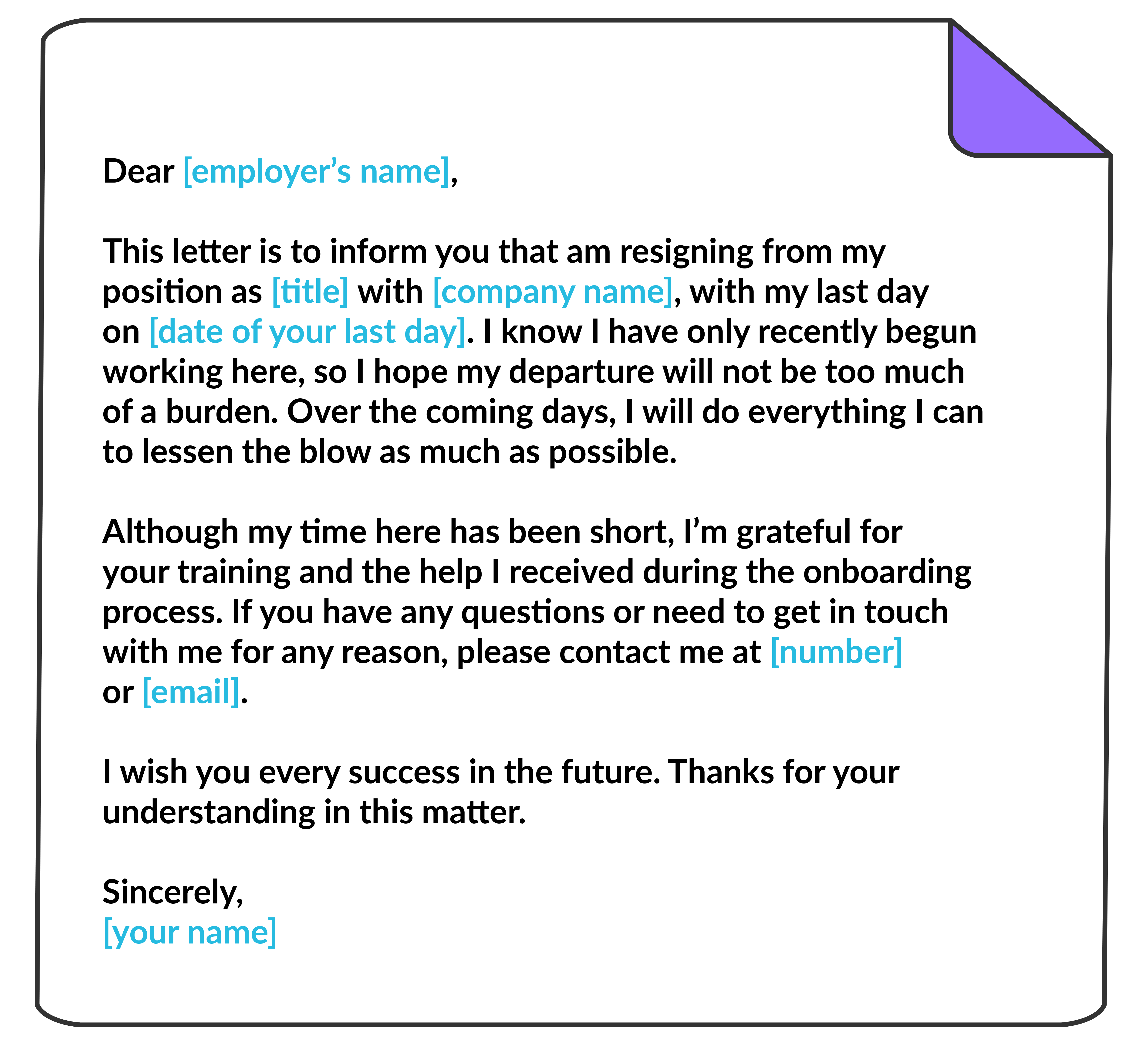
A formal resignation letter provides a written record of your departure. Keep it concise, professional, and positive. State your intention to resign, specify your last day of employment, and express gratitude for the opportunities you've been given.
Avoid negativity or criticism of the company or colleagues. This document may become part of your permanent record, so maintain a respectful tone. Offer assistance during the transition period to show your commitment to a smooth handover.
According to the Society for Human Resource Management (SHRM), a well-written resignation letter demonstrates professionalism and respect. It also helps to protect your reputation and maintain positive relationships with your former employer.
Delivering the News
Schedule a private meeting with your manager to deliver the news in person. This demonstrates respect and allows for open communication. Avoid sending an email or informing colleagues before speaking with your manager directly.
Choose a time that minimizes disruption to your manager's schedule. Be direct and straightforward, clearly stating your intention to resign. Remain calm and composed, regardless of your manager's reaction.
Be prepared to answer questions about your decision and your future plans. However, you are not obligated to disclose specific details about your new employer or compensation package. Focus on expressing gratitude for the opportunities and experiences you gained at your current role.
Managing the Aftermath
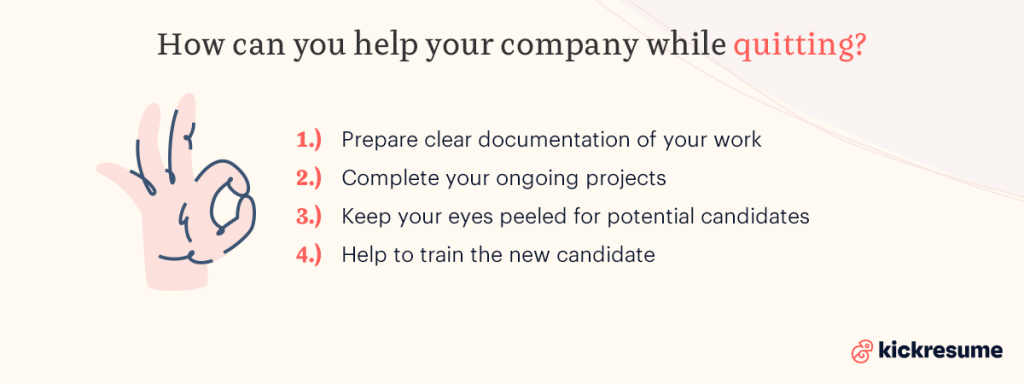
Once you've informed your manager, work collaboratively to create a transition plan. This may involve documenting your processes, training colleagues, and completing outstanding tasks. A smooth handover reflects positively on your work ethic and professionalism.
Maintain a positive attitude throughout your remaining time at the company. Avoid gossip or negative conversations, and focus on contributing to a seamless transition. Leave on a high note, reinforcing your professional reputation.
Consider offering to stay longer if needed, within reasonable boundaries. However, be clear about your availability and limitations. A willingness to assist demonstrates your commitment to the company's success, even as you prepare to move on.
"Leaving a job gracefully is an art. It requires balancing your personal aspirations with your professional responsibilities," says Dr. Amanda Wells, a career coach and author of The Art of the Exit.
Navigating Potential Challenges
Some managers may react negatively to your resignation. They might express disappointment, anger, or attempt to dissuade you from leaving. Remain calm and professional, reiterate your decision, and express gratitude for the opportunities you've had.
Avoid getting drawn into arguments or engaging in emotional outbursts. Your focus should be on maintaining a respectful and professional demeanor. If the situation becomes uncomfortable, politely excuse yourself and end the conversation.
In rare cases, your employer may try to make your remaining time difficult or uncomfortable. Document any instances of harassment or discrimination, and seek advice from an employment lawyer if necessary. Protect yourself while maintaining your composure.
The Importance of Networking
Before you leave, connect with colleagues on LinkedIn or other professional networking platforms. Maintaining these connections can be valuable for future career opportunities and collaborations. A strong network is a valuable asset in any industry.
Request letters of recommendation from your manager and colleagues. These testimonials can strengthen your resume and enhance your credibility in future job applications. Building a solid reputation takes time and effort, protect it.
Send thank-you notes to individuals who have supported your career development. Expressing gratitude reinforces positive relationships and leaves a lasting impression. Remember, people will remember how you made them feel.
Moving Forward
Resigning from a job is a natural part of career progression. By following these guidelines, you can navigate the process professionally and maintain positive relationships with your current employer. Leaving on good terms opens doors for future opportunities and collaborations.
The key is to be prepared, respectful, and proactive. Communicate your decision clearly, offer assistance during the transition, and maintain a positive attitude. Your final actions will shape your professional reputation and create a lasting impression.
Ultimately, leaving a job gracefully demonstrates your maturity, professionalism, and respect for others. It reinforces your value as a professional and sets the stage for future success. Embrace the opportunity to leave a positive mark and embark on your next career chapter with confidence.



:max_bytes(150000):strip_icc()/2063053_2022-f09cb56e07f643d79b31483a3e14f07b.jpg)





:max_bytes(150000):strip_icc()/2060865a-a00dd037c25547df8a83c13bb57cd695.jpg)