Is Working A Cash Register Hard
The seemingly simple act of ringing up groceries or scanning retail items sparks a recurring question: Is working a cash register genuinely difficult? Opinions vary widely, with some dismissing it as a low-skill job while others cite challenges related to customer interaction, technology, and workplace stress.
This article examines the realities of working as a cashier, exploring the complexities, demands, and potential difficulties experienced by individuals in this role. We will delve into the various aspects of the job, from handling transactions and navigating point-of-sale systems to managing customer service and dealing with workplace pressures.
The Day-to-Day Realities
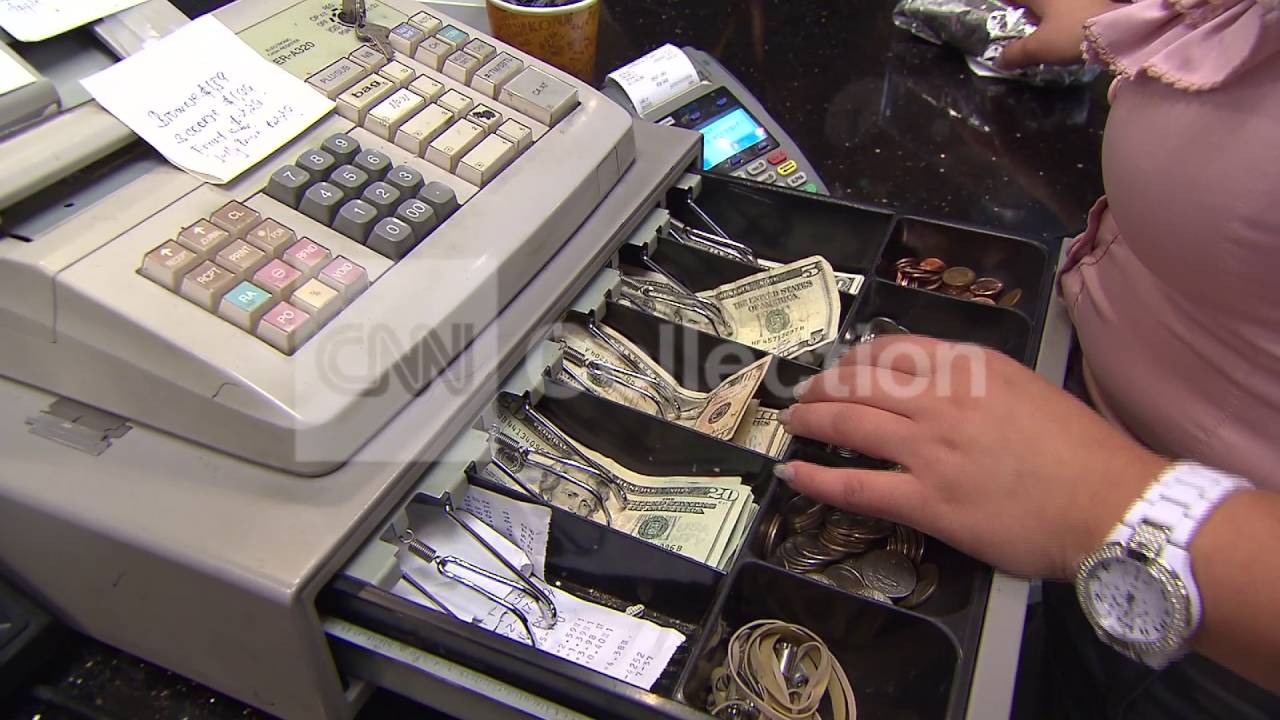
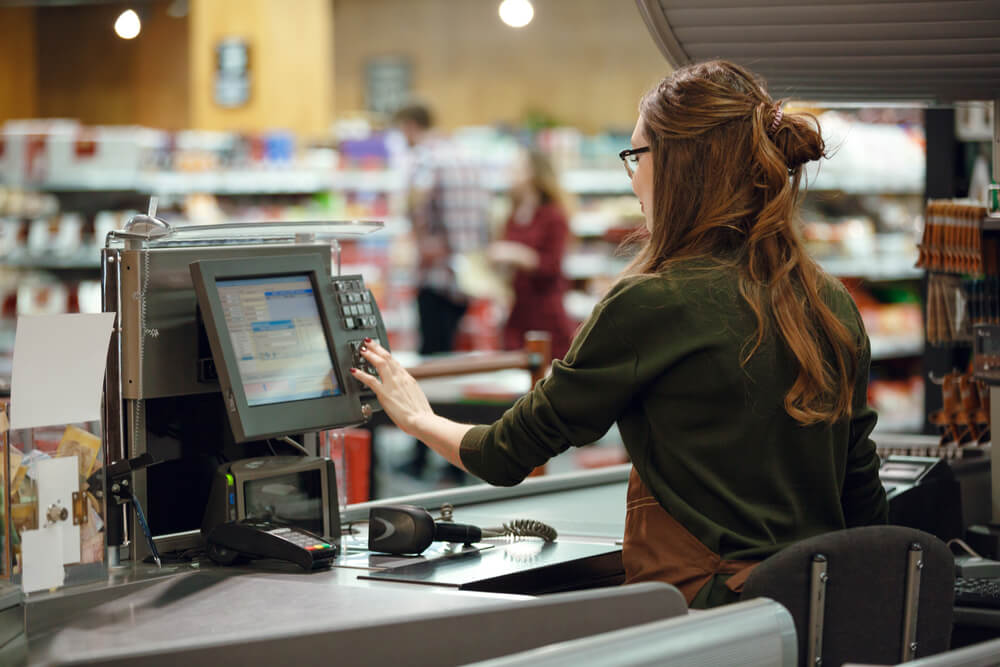
The primary task of a cashier involves processing customer purchases efficiently and accurately. This requires proficiency in operating cash registers or modern point-of-sale (POS) systems.
Accuracy is paramount. Errors in transactions can lead to financial discrepancies, potentially impacting the cashier and the business.
Beyond basic transactions, cashiers often handle various payment methods, including cash, credit cards, debit cards, and mobile payment systems. They also process returns, exchanges, and gift card purchases.
Technical Skills and Training
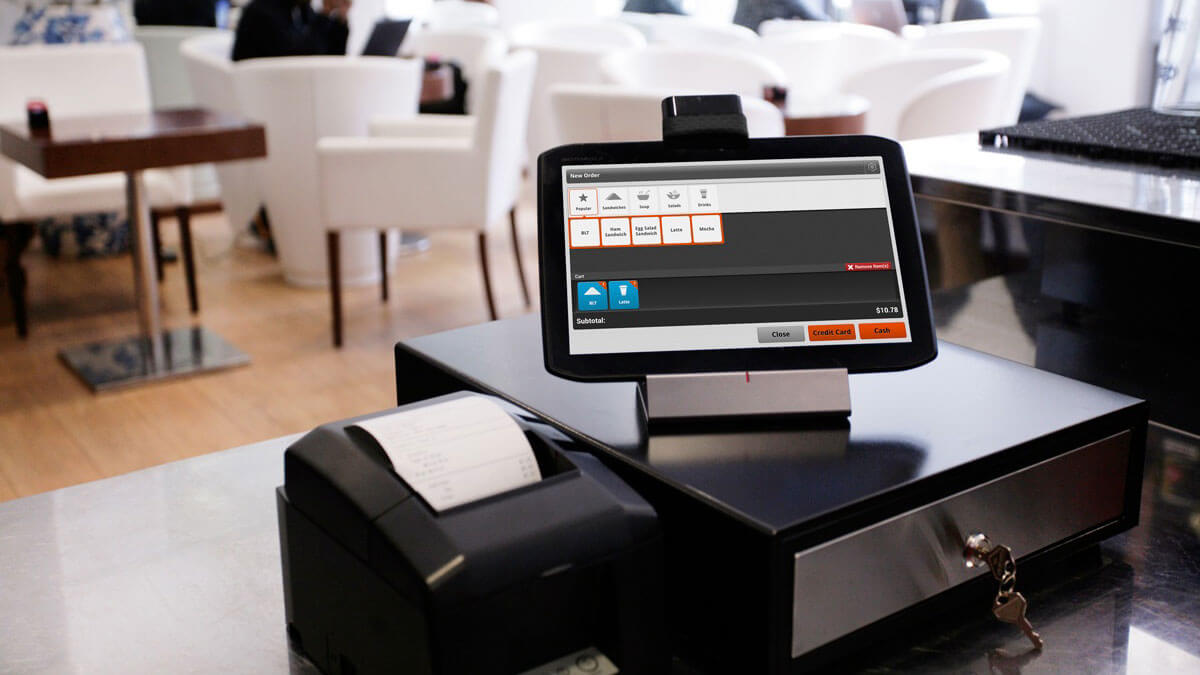
Modern cash registers are not the simple machines of the past. Today's POS systems are sophisticated, often integrated with inventory management, loyalty programs, and customer databases.
Cashiers require training to proficiently use these systems, understand their functionalities, and troubleshoot basic technical issues. This training varies by employer, but often includes modules on specific software, security protocols, and customer service skills.
According to the Bureau of Labor Statistics (BLS), most cashier positions require only a high school diploma or equivalent and on-the-job training.
The Human Element: Customer Interaction
A significant part of a cashier's job involves interacting with customers. This interaction ranges from simple greetings and processing payments to handling complaints and resolving issues.
Customer service skills are essential. Cashiers often act as the face of the company, and their interactions can significantly impact customer satisfaction.
Dealing with difficult or demanding customers can be stressful. Cashiers are often expected to remain calm and professional, even in challenging situations.
Stress and Workplace Challenges
The work environment for cashiers can be demanding. Long hours standing, repetitive motions, and the pressure to maintain speed and accuracy can contribute to physical and mental fatigue.
Peak hours can be particularly intense, requiring cashiers to work quickly and efficiently under pressure. Staffing shortages can exacerbate these challenges, placing additional strain on employees.
Some cashiers may also face risks related to security. Handling large amounts of cash can make them vulnerable to theft, and they may be required to enforce store policies related to shoplifting or security breaches.
Perspectives and Experiences
The perceived difficulty of working as a cashier often depends on individual experiences and perspectives. Some individuals find the job straightforward and routine, while others struggle with the challenges of customer interaction, workplace stress, and low wages.
"It's not rocket science," said one former cashier, Sarah Miller. "But you have to be quick, accurate, and good with people. The worst part was dealing with rude customers."
Another cashier, David Lee, emphasized the importance of multitasking. "You're not just scanning items. You're also answering questions, processing returns, and keeping an eye on the store. It can be a lot to handle, especially when it's busy."
Impact on Society and the Economy
Cashiers play a crucial role in the economy, facilitating transactions and providing customer service in various retail and service industries. They are often the first point of contact for customers, shaping their overall experience.
The prevalence of cashier positions also provides entry-level employment opportunities for many individuals, particularly young people and those with limited formal education. These jobs can offer valuable work experience and opportunities for advancement.
However, the relatively low wages associated with many cashier positions can contribute to economic inequality. The Fight for $15 movement, advocating for a higher minimum wage, highlights the need for fair compensation for these essential workers.
The Future of Cashier Positions
Automation and technological advancements are increasingly impacting the retail industry. Self-checkout kiosks are becoming more prevalent, potentially reducing the demand for traditional cashiers.
However, even with increased automation, the need for human interaction and customer service is likely to remain. Cashiers may transition to roles that focus on providing personalized assistance, resolving complex issues, and enhancing the customer experience.
Continuous learning and adaptation will be crucial for cashiers to remain competitive in the evolving job market. Acquiring skills in areas such as customer service, problem-solving, and technology can help them thrive in the future.
In conclusion, while the core tasks of a cashier may seem straightforward, the job involves a range of skills and challenges. From navigating complex POS systems and handling diverse customer interactions to managing workplace stress and adapting to technological advancements, the role requires adaptability, resilience, and a commitment to customer service. Whether or not it's "hard" depends on individual aptitude, work environment, and the ability to thrive in a fast-paced, customer-facing role.