Signing An Nda As An Individual Not A Company
-min.jpg)
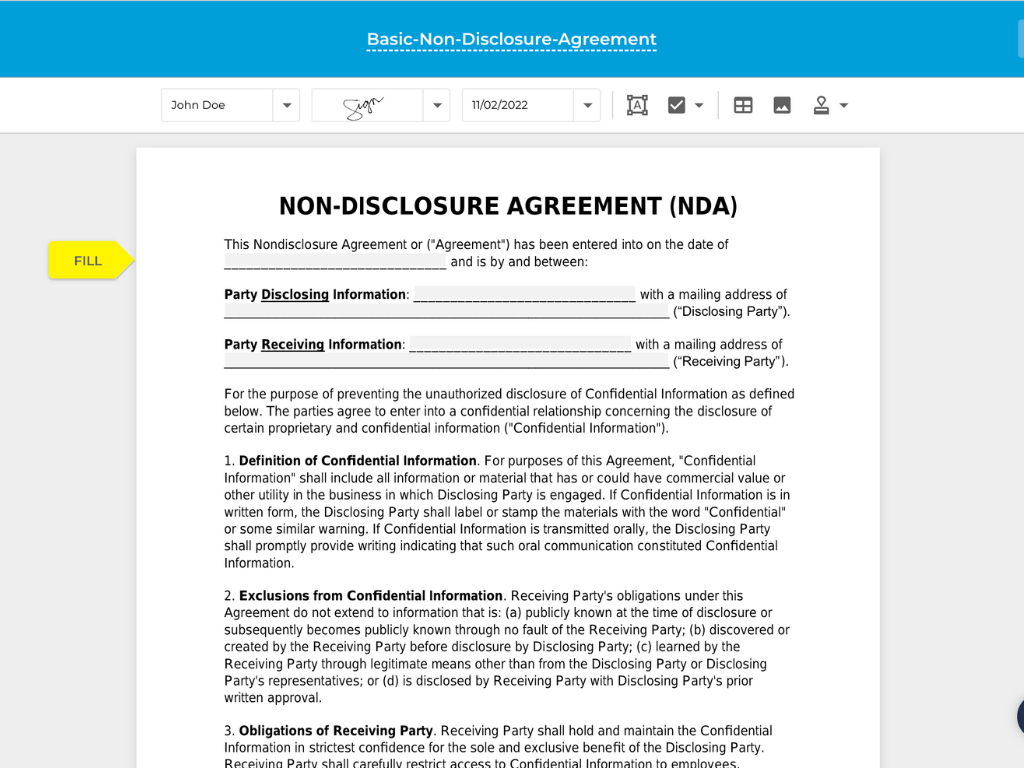
The aroma of freshly brewed coffee mingled with the scent of old paper in Sarah’s small apartment. Sunlight streamed through the window, illuminating dust motes dancing in the air as she carefully reviewed the document before her. It wasn’t a screenplay, a contract for her freelance work, or a lease agreement. It was an NDA – a Non-Disclosure Agreement – and signing it felt like stepping into a new, slightly intimidating, world.
Signing an NDA as an individual, not representing a company, is becoming increasingly common in today's interconnected world. This article explores the intricacies of these agreements, their growing importance, and what individuals should know before putting pen to paper.
The Rise of the Individual NDA
For decades, NDAs were primarily associated with corporate dealings. They were the shields protecting trade secrets, strategic plans, and sensitive information exchanged between businesses. Now, however, the landscape is shifting.
The gig economy, the rise of social media influencing, and the increasing prevalence of information sharing have all contributed to the proliferation of individual NDAs. More and more people are finding themselves presented with these agreements in various situations.
Why Are Individual NDAs Becoming So Common?
Several factors are fueling this trend. Startups often require early employees and consultants to sign NDAs to protect their innovative ideas. Social media influencers and brand ambassadors are frequently asked to sign these agreements to prevent premature disclosure of upcoming campaigns or product launches.
Even everyday citizens participating in market research or beta testing new products might encounter an NDA. These agreements are no longer limited to the boardroom; they're entering our homes and shaping our interactions in unexpected ways.
Understanding the Basics of an NDA
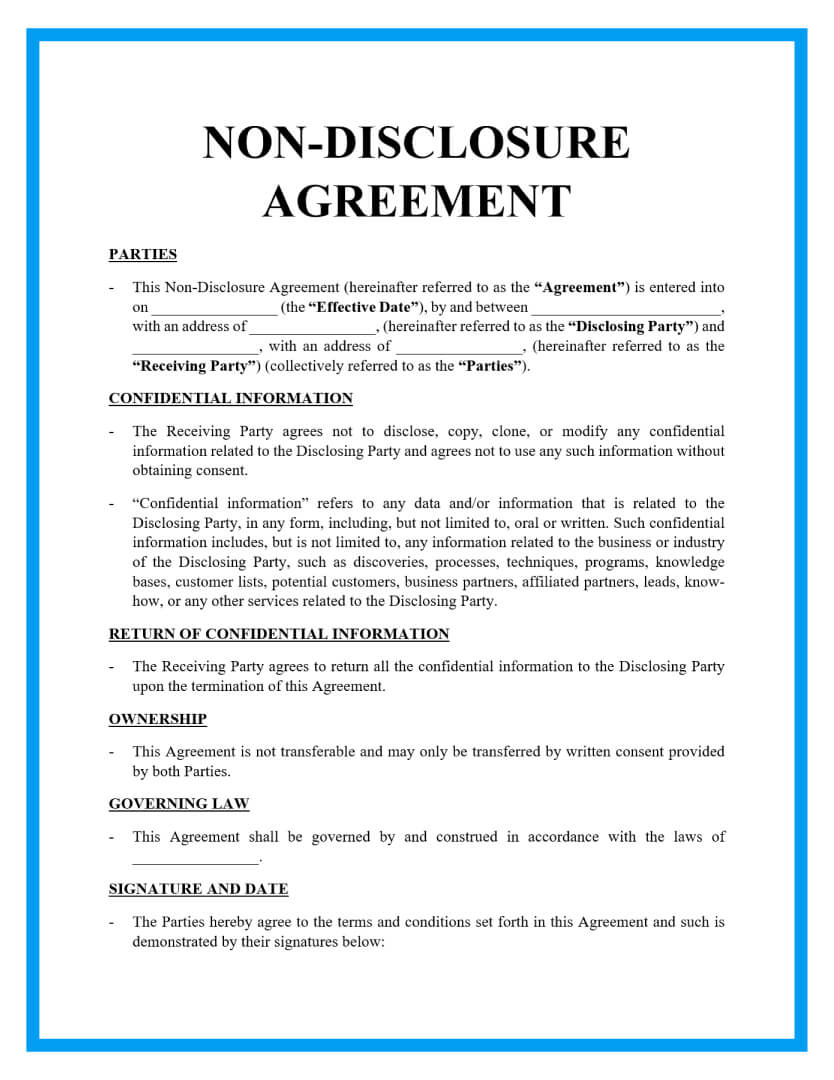
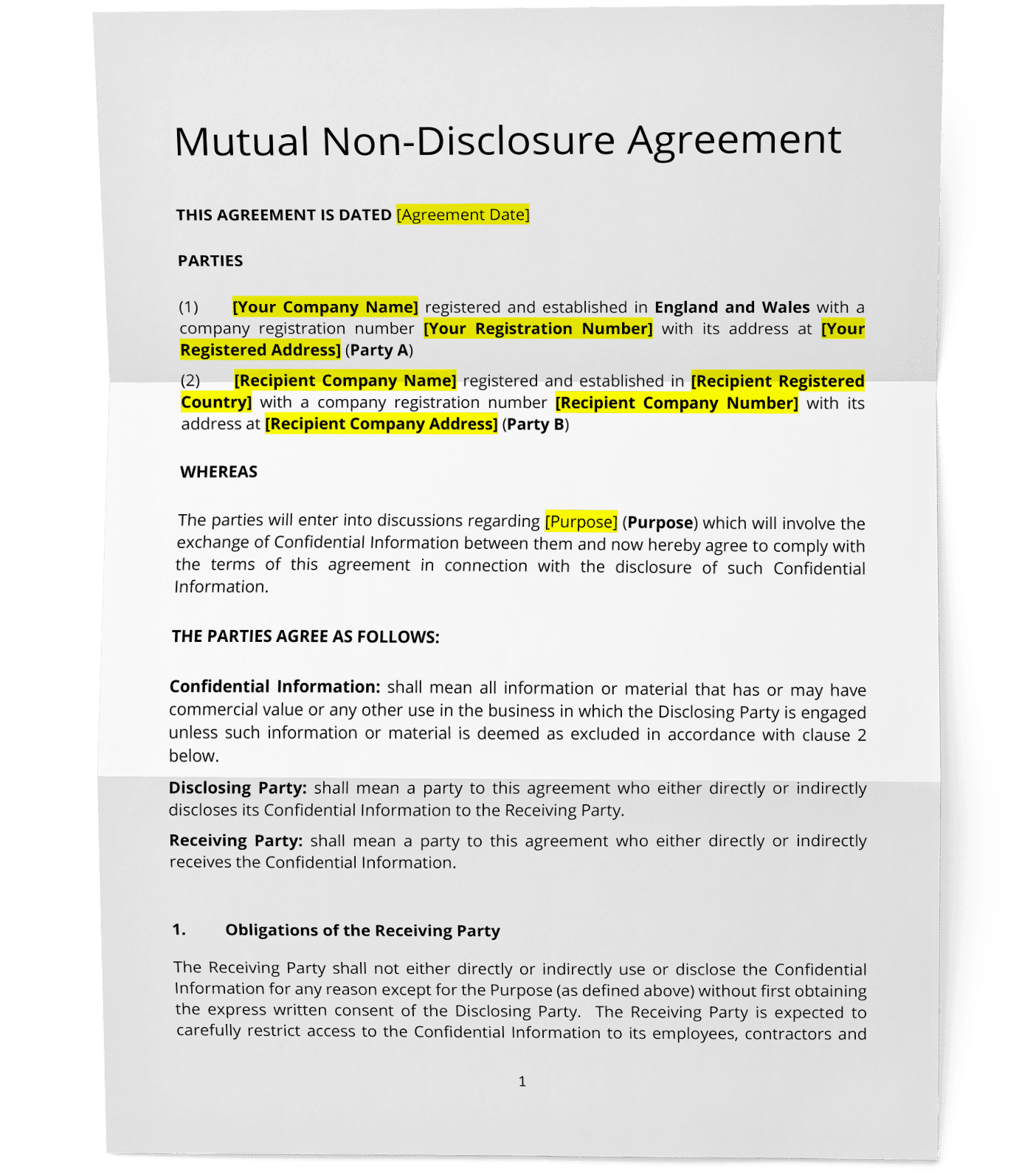
An NDA, at its core, is a legally binding contract. It establishes a confidential relationship between two or more parties. One party agrees to keep certain information shared by the other party secret.
The specific terms and scope of an NDA can vary widely. It's crucial to understand exactly what information is covered and what obligations you're assuming before signing.
Key Elements to Look For
Pay close attention to the definition of "confidential information." This section specifies what information is protected. Does it include only written documents, or does it also encompass verbal discussions and observations?
The duration of the agreement is another critical element. How long are you obligated to keep the information confidential? Some NDAs have a fixed term, while others remain in effect indefinitely.
Also, check for exceptions. Most NDAs include clauses that outline situations where disclosure is permitted, such as when required by law or by a court order. Understanding these exceptions is essential.
Finally, be aware of the consequences of breaching the NDA. What are the potential penalties if you violate the agreement? These can range from monetary damages to legal injunctions.
Navigating the NDA Landscape as an Individual
Unlike large corporations with legal teams at their disposal, individuals often face NDAs without professional guidance. This can be daunting, but there are steps you can take to protect your interests.
Seek Legal Advice
The most important step is to seek legal advice from a qualified attorney. A lawyer can review the NDA, explain its terms in plain language, and advise you on whether it's fair and reasonable.
Many attorneys offer consultations at reasonable rates. Investing in a consultation can save you significant legal headaches down the road.
Don't Be Afraid to Negotiate
NDAs are not always set in stone. You may have the opportunity to negotiate certain terms. For example, you might be able to narrow the definition of confidential information or shorten the duration of the agreement.
Don't be afraid to ask questions and express your concerns. It's better to address potential issues before signing the NDA than to regret it later.
Document Everything
Keep a copy of the signed NDA for your records. Also, document any communications you have with the other party regarding the agreement.
If you're unsure whether certain information is covered by the NDA, err on the side of caution and seek clarification.
The Broader Implications
The increasing prevalence of individual NDAs raises important questions about transparency and freedom of speech. Some argue that these agreements can be used to silence victims of harassment or abuse.
There's a growing debate about the ethical and societal implications of NDAs, particularly in cases where they prevent individuals from speaking out about wrongdoing. Legislators are beginning to address these concerns by introducing laws that limit the use of NDAs in certain contexts.
For example, some states have enacted laws that prohibit the use of NDAs to conceal sexual harassment or assault claims. These laws aim to protect victims and promote accountability.
"The key is understanding," emphasizes legal scholar Professor Emily Carter from the University of Law, in a recent interview. "Individuals need to be fully aware of what they are agreeing to and the potential consequences. Education and access to legal resources are crucial."
Conclusion: Proceed with Caution and Knowledge
As Sarah carefully signed the NDA, she felt a sense of both excitement and apprehension. She had sought legal advice, understood the terms of the agreement, and felt confident that she was making an informed decision.
In an era where information is currency, understanding NDAs is more important than ever. Whether you're an entrepreneur, a freelancer, or simply someone participating in a research study, knowing your rights and obligations is essential.
By proceeding with caution, seeking legal advice, and understanding the implications of these agreements, individuals can navigate the NDA landscape with confidence and protect their own interests. The future is not about avoiding these agreements altogether, but about approaching them with the knowledge and awareness necessary to make informed choices.