Why Does Opploans Ask For Bank Login

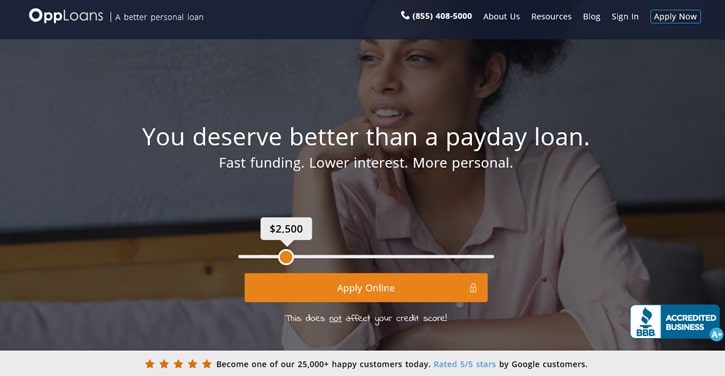
The seemingly simple act of logging into your bank account, an everyday occurrence for most, takes on a different dimension when a loan company requests your credentials. OppLoans, an online lender specializing in personal loans for borrowers with less-than-perfect credit, has faced scrutiny regarding its practice of asking applicants for their bank login information. This request, while intended to streamline the loan process, raises significant questions about data security, privacy, and the potential risks for vulnerable borrowers.
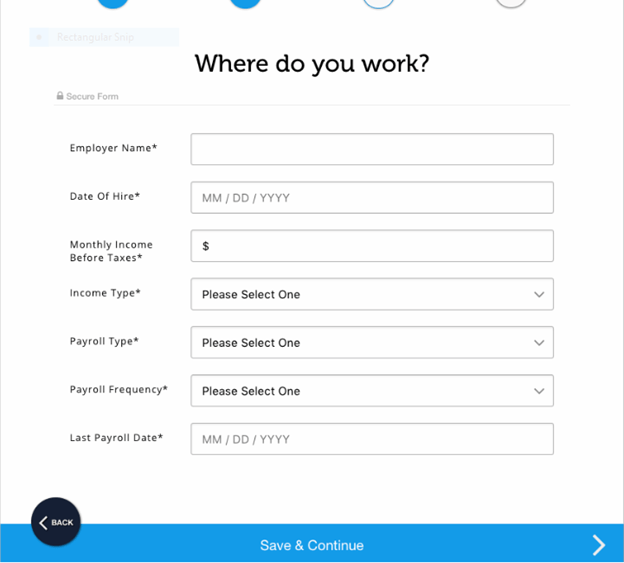
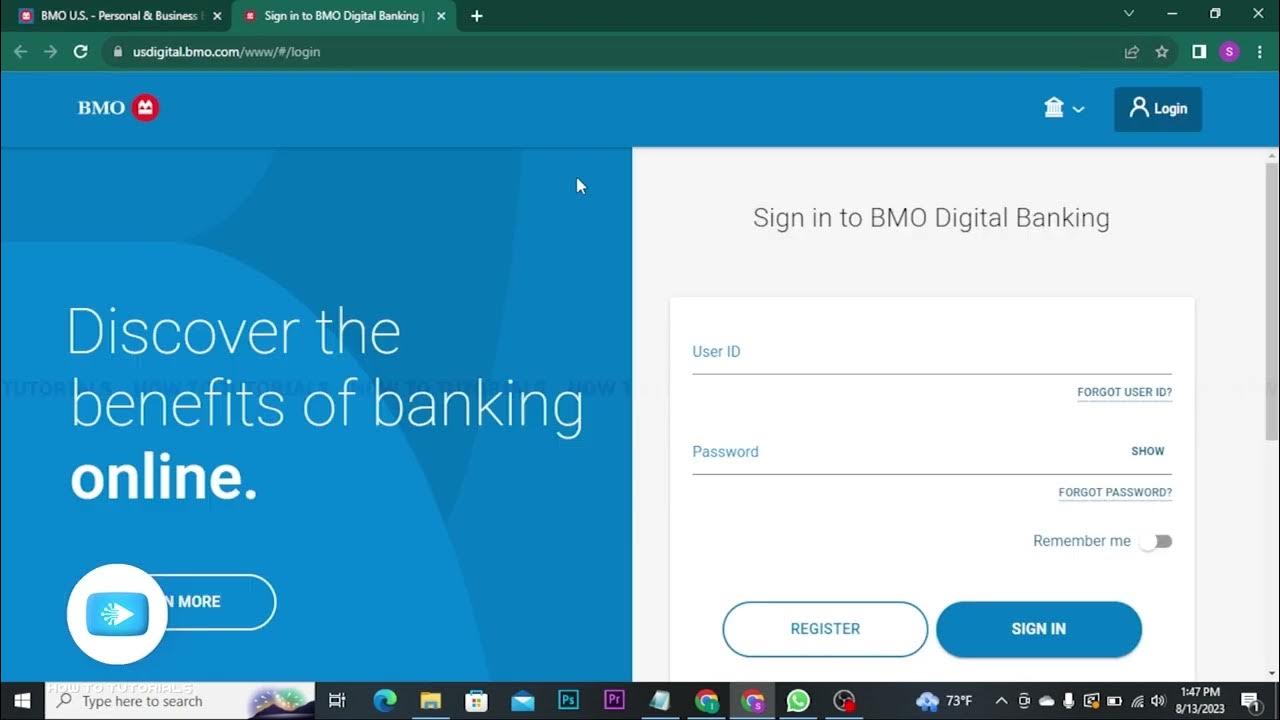
The core issue revolves around OppLoans' method of verifying an applicant's income and banking history. Instead of relying solely on traditional documentation like pay stubs and bank statements, OppLoans often requests direct access to the applicant's bank account. This access, facilitated through a third-party service, allows OppLoans to view transaction history, account balances, and other financial details. The question is whether the convenience of this method outweighs the potential privacy and security risks for borrowers, particularly those who may be financially vulnerable.
The Rationale Behind Bank Login Requests
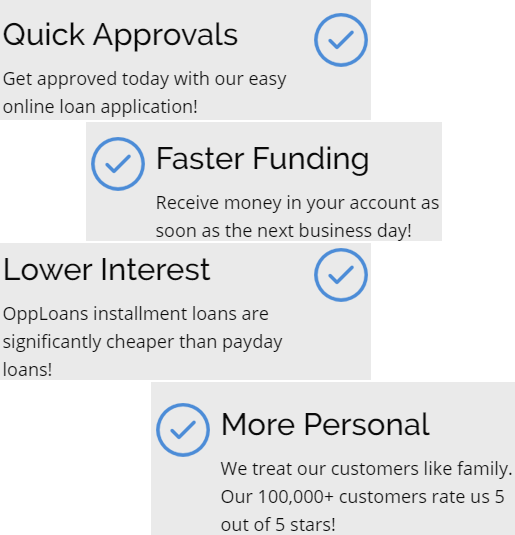
OppLoans, like many online lenders, argues that requesting bank login information allows for a faster, more accurate, and more efficient loan approval process. According to their website, this direct access enables them to quickly verify an applicant's income, identify recurring deposits, and assess their ability to repay the loan. This, they claim, ultimately allows them to offer loans to individuals who might otherwise be denied credit based on traditional credit scoring models.
Streamlining the process is particularly beneficial for OppLoans' target demographic: individuals with lower credit scores or limited credit histories. These borrowers often face challenges in obtaining traditional loans and may find the faster approval process appealing. OppLoans maintains that this method allows them to provide access to credit in a more inclusive way.
The Privacy and Security Concerns
Despite the claimed benefits, asking for bank login information raises significant privacy and security concerns. Granting a third-party access to one's bank account inherently increases the risk of data breaches and unauthorized access. Even with security measures in place, the possibility of a data leak remains a serious threat, potentially exposing sensitive financial information to malicious actors.
Consumer advocacy groups have voiced concerns about the potential for OppLoans to misuse the information obtained through bank login access. While OppLoans states that they only use the information for verification purposes, the scope of access granted raises questions about the potential for profiling, discriminatory lending practices, or even the sale of data to third parties. The potential for abuse, even if unintentional, is a valid concern.
Alternative Verification Methods
Traditional methods of income and banking verification, such as submitting pay stubs and bank statements, offer a more secure alternative to providing direct bank login access. While these methods may be more time-consuming, they give borrowers greater control over their personal information. Borrowers can redact sensitive information, such as account numbers or transaction details, before submitting the documents.
Furthermore, advancements in technology have led to the development of secure document-sharing platforms that allow borrowers to digitally submit their financial information without granting direct access to their bank accounts. These platforms employ encryption and other security measures to protect the data during transmission and storage, providing a safer alternative to bank login requests.
The Legal and Regulatory Landscape
The legality of requesting bank login information during the loan application process is a complex issue that varies depending on jurisdiction. Some states have regulations in place to protect consumers' financial privacy, while others lack specific guidelines. The lack of uniform regulations creates a patchwork of legal requirements that can be difficult for both lenders and borrowers to navigate.
The Consumer Financial Protection Bureau (CFPB) has been actively monitoring the practices of online lenders and has issued guidance on data security and consumer privacy. While the CFPB has not specifically addressed the issue of bank login requests, their focus on protecting consumers from unfair, deceptive, or abusive practices suggests that this is an area of ongoing scrutiny.
Moving Forward: Balancing Convenience and Security
The debate surrounding OppLoans' practice of requesting bank login information highlights the ongoing tension between convenience and security in the digital age. While the streamlined approval process may benefit some borrowers, the potential privacy and security risks cannot be ignored. As technology continues to evolve, it is crucial to develop solutions that balance the needs of lenders and borrowers while ensuring the protection of sensitive financial information.
Ultimately, borrowers should carefully consider the risks and benefits before granting access to their bank accounts. Exploring alternative verification methods and understanding their rights under applicable laws and regulations are essential steps in protecting their financial privacy. Continued regulatory scrutiny and industry self-regulation are also necessary to ensure responsible lending practices and protect consumers from potential harm.
/opploans-inv-84d0abcdbc5b415791baa20c4c1c5e42.png)
/opploans-logo-00d9d2e30aed4a85b3d5bbd671e3aa70.png)